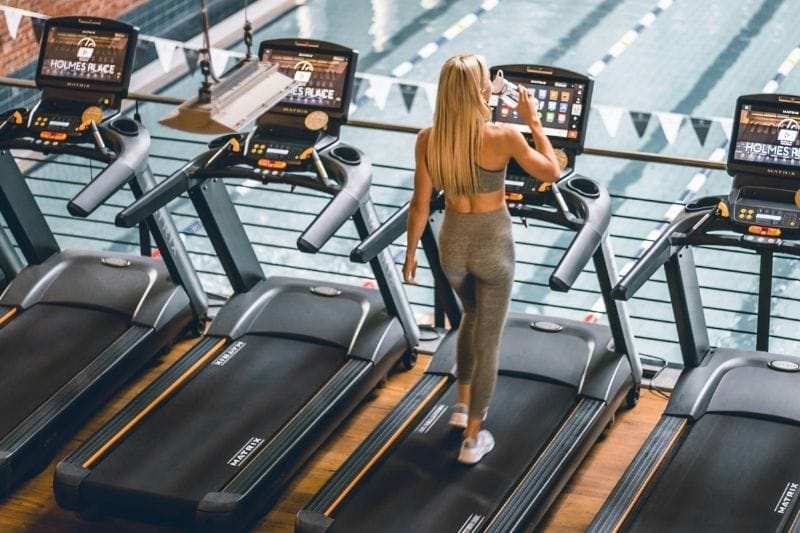
Indoor training becomes a lifeline once the dark evenings arrive and the winter weather hits motivation. Many runners head for the treadmill and many cyclists settle onto the turbo trainer. At the same time you see posts claiming that one hour indoors is nothing like one hour outdoors. That is true, but not in the way people think.
Indoor and outdoor training are not better or worse than each other. They place different demands on your body and mind which means they stress you in different ways. The key is to understand how each environment works and how to use both to stay fit through winter without losing performance for real world running and cycling training.
Why indoor and outdoor training feel so different
Indoor and outdoor sessions feel different because the environment shapes every part of the movement. Indoors everything is controlled. Outdoors everything is influenced by terrain, weather, surfaces and the natural ebb and flow of movement.
Mechanical differences play a huge role. Cyclists indoors never coast. Pedals keep turning and the workload stays steady. Outside you freewheel down hills, ease off for corners and react to the terrain. Runners on a treadmill have their pace set for them by the belt. Outdoors the ground never moves under your feet so your body has to manage its own speed, balance and stride length.
Cooling is another major factor. Indoors you do not have natural airflow. This means you get hotter much faster. Heart rate climbs, particularly for cyclists, and runners often feel sweatier and more fatigued at the same pace that feels comfortable outside.
Effort variability also changes the experience. Indoor sessions are smooth and predictable. Outdoors you deal with headwinds, crosswinds, short hills, rolling roads or uneven surfaces. These micro changes create subtle surges in effort that build strength and resilience in ways indoor training cannot fully mimic.
There is also a mental load to consider. Indoors you remove the need for awareness and reaction. Outdoors you are constantly adjusting your line, your position and your footing. This develops confidence and real world skill. Sometimes this can also make indoor training feel dull for someone people as you are just stuck in the place!
None of this makes one better than the other. They are simply different training stressors.
The benefits of indoor training for runners and cyclists
Indoor training comes into its own during winter. It is efficient and safe and it makes structured sessions much easier to control. For many people this makes the difference between staying consistent and losing fitness.
Shared benefits include:
- Complete control over pace or power
- No weather concerns
- Time efficiency with zero traffic or route planning
- Easier to hit intervals cleanly
- Safer in darkness or icy conditions
Cycling specific benefits include the ability to control cadence, gear changes and interval progression. A turbo session is perfect for sweet spot work, tempo blocks or shorter high intensity efforts where stopping and starting outdoors would break the flow.
Running specific benefits include smoother gait patterns which help people who have been injured. A treadmill allows steady pacing without the interruption of hills or wind which makes it ideal for threshold or steady zone runs.
Indoor training helps maintain consistency in busy weeks and gives you a predictable environment where you can get the work done.
The limitations of indoor training
Indoor training is powerful but it has limits. If it becomes the only thing you do it can hold back your outdoor performance once spring arrives.
Shared limitations include reduced skill development and limited environmental stress. You are not challenged by surfaces, terrain or unpredictable conditions. You also lose the natural variety that outdoor movement provides and this sometimes leads to boredom or mental fatigue.
Cyclists have specific drawbacks. No cornering, no descending, no standing efforts on uneven roads and no real practice managing the bike under load. Turbo numbers can also appear generous because the effort is cleaner and smoother than the messy demands of outdoor riding.
Runners experience a slightly different issue. Treadmills change gait patterns at faster speeds and remove the ankle and hip stability work that comes from uneven surfaces. There is no headwind or short sharp incline to push against and no downhill conditioning which is important for race preparation and injury prevention.
Indoor training should support outdoor fitness rather than replace it entirely.
The benefits of outdoor training
Outdoor movement offers something that no indoor setup can fully replicate. It challenges your body in ways that build resilience and real world performance.
Shared outdoor benefits include natural variety, fresh air and the enjoyment that comes from being outside. The terrain forces your body to work in different ways and this builds strength, power and coordination. People often find outdoor training better for their mental health and motivation too.
Cyclists gain valuable bike handling skills outdoors. Positioning, descending, cornering and riding in groups all shape your confidence and performance on real routes. You also meet the true demands of gradients and wind which improves your pacing ability.
Runners improve impact conditioning which strengthens bones and connective tissue. Outdoor running teaches you how to adapt to different surfaces and how to pace yourself without relying on a digital display. These skills matter for events and long term resilience.
The limitations of outdoor training
Outdoor sessions are not perfect either. They often require more time and more preparation. Winter weather can be a challenge and daylight hours can limit when you train. It is harder to hit precise intervals when you are dealing with uneven ground, junctions or traffic. Risk is also higher due to visibility, slippery surfaces or busy roads. I seem to spend half my lift cleaning my bike at this time of year!
Why effort feels different indoors versus outdoors
Many people compare one hour indoors to one hour outdoors and wonder why the numbers or the perceived effort do not match. This is completely normal.
Indoors the constant workload means you never get the micro breaks that come naturally outside. Cooling is poorer which raises heart rate. Muscle recruitment patterns change when you run on a moving belt or pedal against a flywheel. Outdoors you need to think more. You react to everything around you. Indoors you simply follow the numbers.
When you see the session as a different training stimulus rather than a direct comparison it makes far more sense.
How to blend indoor and outdoor training through winter
Most runners and cyclists get the best results when they use indoor training for structure and outdoor training for variety and skill.
For cyclists:
- Use one or two indoor interval sessions for quality work
- Aim for one outdoor ride when the weather allows even if shorter
- Add a strong fan, vary cadence and check indoor position to avoid stiffness
For runners:
- Keep at least one outdoor run each week for conditioning and variety
- Use treadmills for steady pacing or controlled speed work
- Add incline changes to build strength that transfers outdoors
For both groups it helps to mix structured indoor workouts with unstructured outdoor sessions. Strength training is a valuable winter tool as it supports joint health and improves performance. When spring arrives ease back into outdoor intensity gradually so your body adjusts safely.
Common mistakes people make
Some mistakes crop up every winter and they can hold back progress.
Shared mistakes include relying too heavily on indoor data, skipping outdoor sessions for months, ignoring strength work and assuming that indoor sessions count the same as outdoor efforts in both stress and skill.
Cyclists often get caught in a cycle of back to back Zwift races which leads to fatigue without real improvement. Many also forget to work on handling once the weather improves.
Runners may spend months only on the treadmill and lose the conditioning that comes from downhill running and varied surfaces.
These mistakes are easy to fix once you understand what each environment offers.
Practical recommendations for everyday runners and cyclists
Most people will perform well with a simple approach:
- Blend indoor structure with outdoor variety
- Do not compare hour for hour
- Keep one outdoor session each week where possible
- Use indoor training to stay consistent without losing the outdoor skills you need
- Think of winter as the time to build habits, not chase perfection
If you follow this approach you enter spring with fitness, confidence and the ability to move smoothly on real routes.
What Do I Do in the Winter?
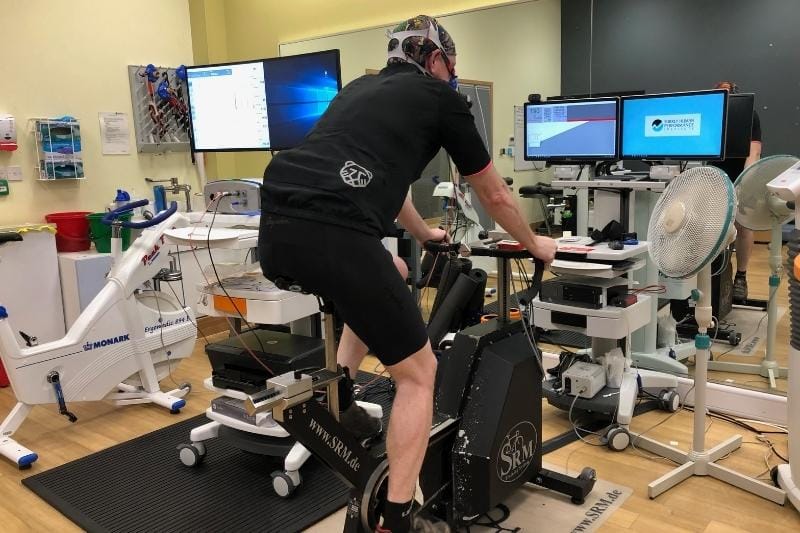
I still do nearly all my running and cycling outdoors through the winter. I prefer training outside and I find it keeps my sessions more enjoyable and consistent. I also do not get on particularly well with treadmills. If I am honest, I do not feel very safe on them (yeah, yeah, I am wimp LOL), so I rarely use them.
Indoor cycling can be useful, but I have to be careful with it. Long sessions on an indoor bike sometimes make my knees feel unhappy – even with a correct bike position and fit – usually because you never get those natural coasting moments you get on the road. If I do include an indoor bike session, I build in variation. I change cadence regularly or include short breaks where I get off the bike and walk around the gym for a minute to reset my legs.
Strength training stays exactly the same for me year round. I lift indoors in my home gym and keep my routine consistent whether it is summer or winter.
And with my coaching, I simply use whatever works best for the person in front of me. Some people love indoor training, others prefer to stay outdoors, and many use a mix. There is no right or wrong way to train in the winter. What matters is that it feels safe, comfortable and sustainable for you.
A quick note on coaching
If you want a plan that brings the best out of both indoor and outdoor training I work with runners and cyclists who want a simple structure that fits around a busy life. If you are looking to lose weight, I can help with that as well. You can book a free consultation to find out more about my coaching here >