What Is Fibremaxxing?
Fibremaxxing is a nutrition trend that has picked up a lot of traction online, particularly on TikTok. The basic idea is simple. You deliberately increase your fibre intake, often quite aggressively, with the goal of improving digestion, reducing hunger and helping with weight loss.
On the surface, it sounds sensible. Fibre is something most people do not eat enough of, and it is widely linked to better health. But like most trends that get popular quickly, the way it is being applied is not always quite as straightforward as it looks.
In my work as a weight loss coach, I see a lot of people latch onto one idea and try to push it as far as possible. Sometimes that works but quite often it just creates a different set of problems. Fibremaxxing sits somewhere in the middle. There is definitely something useful in it, but it needs a bit of context to actually work properly.
Why People Are Fibremaxxing
Most people are not fibremaxxing for the sake of it. They are doing it because they have heard that fibre can help with things they already care about.
The main reasons tend to be fairly consistent:
- People want to feel fuller for longer so they are less likely to snack or overeat
- They want to improve digestion and gut health
- They want better control over hunger and cravings
- And in a lot of cases, they are hoping it will make weight loss easier without having to rely on strict dieting
All of those are reasonable goals. The question is whether simply adding more fibre on top of what you are already doing actually delivers on them.
Does Fibre AHelp with Weight Loss?
This is where fibremaxxing starts to make more sense, but also where it can be misunderstood.
Fibre can absolutely help with weight loss. It slows down digestion, helps regulate blood sugar and tends to keep you feeling fuller after meals. That combination makes it easier to stick to a calorie deficit without constantly feeling hungry. Protein achieves much the same.
High fibre foods also tend to be lower in calorie density. Things like vegetables, fruit, beans and whole grains take up more space on your plate and in your stomach for fewer calories. That alone can make a noticeable difference.
Where people get it wrong is thinking that fibre itself causes weight loss. It does not, it just makes it easier to eat in a way that supports weight loss.
If you start adding fibre on top of everything else you are already eating, without adjusting anything, you can quite easily end up eating more overall. I see this quite a lot with things like adding oats, seeds, nuts, nut butters or high fibre snacks without taking anything out. At that point you are not really helping yourself, you are just increasing your calorie intake to the point I’ve seen some people lose no weight at all despite having a “better” diet.
Is Fibremaxxing Healthy?
In principle, yes. Eating more fibre is one of the simplest ways to improve the quality of your diet.
Most people in the UK fall well short of the recommended intake, which sits at around 30g per day – it’s something I have to pay attention to a lot of the time. Increasing fibre through whole foods like vegetables, fruit, beans and whole grains is generally a positive move for both health and weight management.
Where it becomes less helpful is when it turns into an extreme approach.
Pushing fibre intake up too quickly can lead to bloating, discomfort and digestive issues. Relying heavily on processed high fibre products rather than actual food misses the point slightly. And focusing on fibre at the expense of everything else, especially protein, can leave your diet a bit unbalanced.
Like most things in nutrition, more is not always better. Better is better.
Best High Fibre Foods to Include
If you are going to increase fibre intake, the easiest way to do it is through normal food rather than anything overly complicated.
Some of the most effective options are also the simplest.
- Fruit like apples, berries and bananas
- Vegetables, particularly things like broccoli, peas, carrots and leafy greens
- Whole grains such as oats, brown rice and wholemeal bread
- Beans and lentils
- Potatoes, especially with the skin on
Raspberries and peas are two of my favourite go-tos.
For most people, small swaps make the biggest difference. Switching white bread for wholemeal, adding a portion of vegetables to meals that currently do not have any, or including something like beans or lentils a few times a week can move things in the right direction without it feeling like a big change.
How Much Fibre Do You Actually Need?
As mentioned already, the general guideline in the UK is around 30g of fibre per day for adults.
Most people are nowhere near that. A lot of diets sit closer to 10g to 20g without people realising it. That is why increasing fibre often feels like a quick win. There is a lot of room for improvement.
You do not need to jump straight to 30g overnight. In fact, that is usually where people run into problems. Again, gradual increase works much better, both for digestion and for consistency.
The Downsides Of Fibremaxxing
This is the part that tends to get glossed over online.
Increasing fibre too quickly can lead to bloating, gas and general discomfort. That is not a sign that fibre is bad. It is just your digestive system reacting to a sudden change.
Not drinking enough water alongside higher fibre intake can make things worse rather than better.
And from a weight loss perspective, focusing too heavily on fibre can distract from other basics that matter just as much, if not more. Protein intake, overall calories, sleep and activity levels all still play a role.
Fibre helps, but it does not replace the fundamentals.
How To Increase Fibre Without Overdoing It
If you want to take something useful from fibremaxxing without the downsides, it is fairly straightforward.
- Increase fibre gradually rather than all at once
- Spread it across your meals instead of loading it into one part of the day
- Keep your protein intake where it needs to be
- Drink more water than you currently are
Most importantly, look at your overall diet rather than trying to fix everything with one variable. That is where people tend to get the best results.
Are there other health benefits to eating more fibre?
Yes, and this is where fibre probably does more for health than most people realise, although it is often talked about in a very overhyped way online.
A higher fibre intake is consistently linked with better heart health. In simple terms, certain types of fibre can help lower LDL cholesterol (the bad kind), which is one of the risk factors for cardiovascular disease. That does not mean fibre on its own “fixes” cholesterol, but it is one of several things that can help move it in the right direction.
There is also a strong link between fibre and gut health. Fibre feeds the bacteria in your gut, which play a role in digestion, immune function and overall health. That area is still being researched, but the general takeaway is that a diet with enough fibre tends to support a healthier gut environment.
When it comes to longer term conditions like certain cancers, particularly bowel cancer, higher fibre diets are associated with a lower risk. Again, this is not a guarantee or a direct cause and effect, but it is one of the clearer relationships we see in nutrition research.
You will also see claims around things like Alzheimer’s and dementia. The evidence there is less direct, but diets higher in fibre often overlap with generally healthier eating patterns, which are linked with better long term brain health.
The key point is that fibre is part of a bigger picture. It supports health in a number of ways, but it works best alongside an overall balanced diet and lifestyle rather than as a single thing to focus on.
So, Is Fibremaxxing Worth It?
As a general idea, yes. As a strict trend to follow, not really.
Paying more attention to fibre intake is a good thing. It can make weight loss easier, improve digestion and generally improve diet quality.
Treating it like a hack or trying to push it too far is where it becomes less useful.
A balanced approach that includes enough fibre, enough protein and a realistic calorie intake will always beat chasing whatever the current trend happens to be.
FAQs
Does fibre help you lose weight?
Fibre can help with weight loss, but it is not doing the job on its own. What it really does is make the process easier to stick to. Meals that are higher in fibre tend to keep you fuller for longer, which means you are less likely to snack or overeat later in the day.
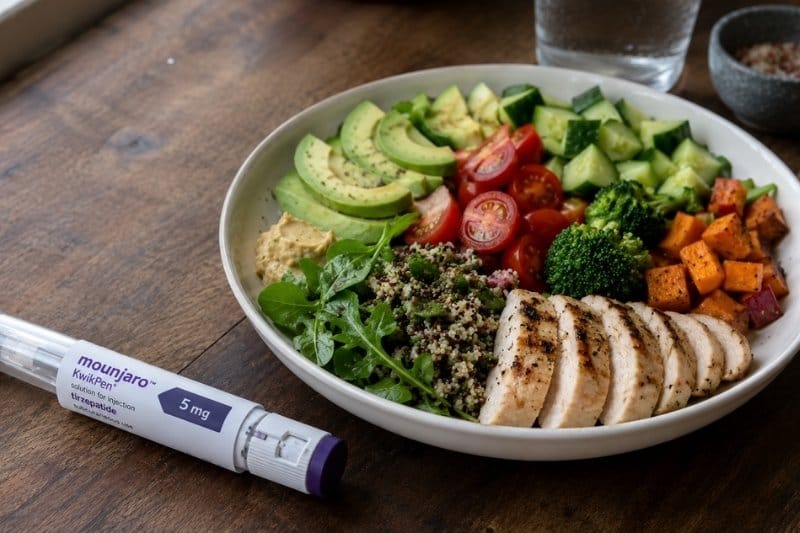
It also slows digestion slightly, which can help keep energy levels more stable rather than constantly going up and down. You will sometimes see this compared loosely to the appetite control people get from GLP-1 weight loss injections, but it is not the same thing. Fibre is just working through normal digestion and satiety, not changing hormone levels in the same way.
That said, you still need to be in a calorie deficit overall. Fibre supports that, it does not replace it.
How much fibre should I eat per day?
The general guideline in the UK is around 30g of fibre per day for adults. Most people are quite a long way off that without realising it, which is why even a small increase can make a difference.
Can too much fibre be bad for you?
Too much fibre, especially if you increase it too quickly, can cause bloating, gas and general discomfort. That is the most common issue people run into when they go all in on something like fibremaxxing. It can also become a problem if it starts replacing other important parts of your diet. If you are so focused on fibre that your protein intake drops or your overall diet becomes unbalanced, that is not going to help long term. Like most things, it works best when it is part of a balanced approach rather than the main focus.
What are the best high fibre foods?
The best high fibre foods are usually the simplest ones. Things like fruit, vegetables, whole grains, beans and lentils will do most of the heavy lifting without you needing to overthink it.
For most people, it is less about finding special foods and more about making small upgrades to what they already eat. Swapping white carbs for wholegrain versions, adding vegetables to meals that currently do not include them, and including beans or lentils a bit more often will cover a lot of ground without it feeling like a big change.
If you are trying to lose weight but keep overcomplicating things or jumping between different trends, it is usually not a lack of effort that is the issue. It is more often a lack of a clear, structured approach that fits your routine.
That is what I help with. My online weight loss accountability coaching is built around simple, realistic nutrition, proper accountability and ongoing daily support so you can get results without feeling like you are constantly starting again.
If you want to see what that could look like for you, book a free Zoom consultation and we can talk it through.