Sarcopenic obesity is when low muscle mass and higher body fat exist at the same time. It is far more common than people realise, especially among those who have dieted multiple times or are getting older.
You can be a “normal” weight and still have it too. You can also lose weight and end up in a worse position than where you started.
It is one of the reasons people feel like they are doing everything right but may still struggle to lose fat, maintain weight, or feel strong and energised.
What Is Sarcopenic Obesity?
Sarcopenic obesity is a combination of two things that often get looked at separately but rarely together. Sarcopenia refers to the gradual loss of muscle mass and strength, while obesity refers to having higher levels of body fat. When both happen at the same time, you end up with a body that has less muscle than it should and more fat than is ideal, even if sometimes your overall weight does not look particularly high.
The important thing to understand is that body weight on its own does not tell you much about your health or fitness. Two people can weigh exactly the same, but one might have significantly more muscle and less fat, while the other has less muscle and more fat. From the outside, they might not look dramatically different in clothes, but how their body functions, how strong they feel, and how easily they can lose or gain weight can be completely different.
What Does Sarcopenic Obesity Look Like?
Most people associate obesity with being visibly overweight, and in many cases that is exactly how sarcopenic obesity shows up. You can carry excess body fat and still have relatively low muscle, which often shows up as lower strength, poorer fitness, and slower progress than you would expect for your size.
This is actually the more common situation. A lot of people trying to lose weight are not just carrying extra fat, they are also under-muscled, which makes fat loss harder and results slower.
It does not always look obvious though. In some people it is more subtle and can go unnoticed for years. This is where terms like “skinny fat” come in. You might look average in clothes, but lack muscle definition and feel weaker than you should for your size.
Common patterns I see include people who sit a lot for work, do very little structured strength training, and have a long history of dieting on and off. They often feel like they are putting in effort but not getting the results they used to, and they cannot quite work out why.
What Causes Sarcopenic Obesity?
There are a few key drivers, and most people will recognise themselves in at least one of them:
Yo Yo Dieting
This is one of the biggest contributors. You lose weight, often quite quickly, but you lose muscle along with fat. Then when the weight comes back on, it tends to come back as fat.
Repeat that cycle a few times and you slowly shift your body composition in the wrong direction. You might end up the same weight as before, but with less muscle and more fat. I am going to cover this in more depth below.
Not Enough Strength Training
If you are not giving your body a reason to keep muscle, it will not prioritise it. Cardio is great for health, but on its own it is not enough to maintain or build muscle over time.
Low Protein Intake
Many people eat less when trying to lose weight, but do not think about what they are eating. Protein intake often drops too low, which increases the likelihood of muscle loss, especially during a calorie deficit.
Ageing
Muscle loss starts earlier than most people think. It can begin in your thirties and gradually accelerate through your forties, fifties, and beyond, particularly if nothing is done to counter it. I am also going to cover this in more detail below as well.
Sarcopenic Obesity And Ageing
As you get older, your body becomes less efficient at maintaining muscle mass, and this has a knock on effect on almost everything else. Hormonal changes, reduced activity levels, and lifestyle factors all play a role, but one of the biggest issues is simply that the body no longer holds on to muscle as easily as it once did.
For many people in their forties and fifties, this is when things start to feel different. You might notice that weight gain happens more easily, fat loss takes longer, and your strength is not what it used to be. Recovery from workouts can take longer, and the margin for error with things like diet and training becomes smaller.
This is also why people who have stayed roughly the same weight for years can sometimes still see a noticeable change in how they look and feel. Over time, small losses of muscle combined with gradual increases in body fat can lead to a very different body composition, even if the number on the scales has barely changed.
Sarcopenic Obesity And Yo Yo Dieting
This is where things can quietly get worse over time.
Each time you diet aggressively, you risk losing muscle. If you are not strength training and not eating enough protein, that risk increases. When you regain weight, your body is more likely to store fat than rebuild lost muscle.
Over several cycles, you can end up in a situation where:
- Your weight is the same as it was before
- Your body fat is higher
- Your muscle mass is lower
- Your metabolism is slightly reduced
That last point matters. Less muscle means fewer calories burned at rest. It is not a massive drop, but over time it adds up and makes fat loss harder.
Sarcopenic Obesity And Weight Loss Injections
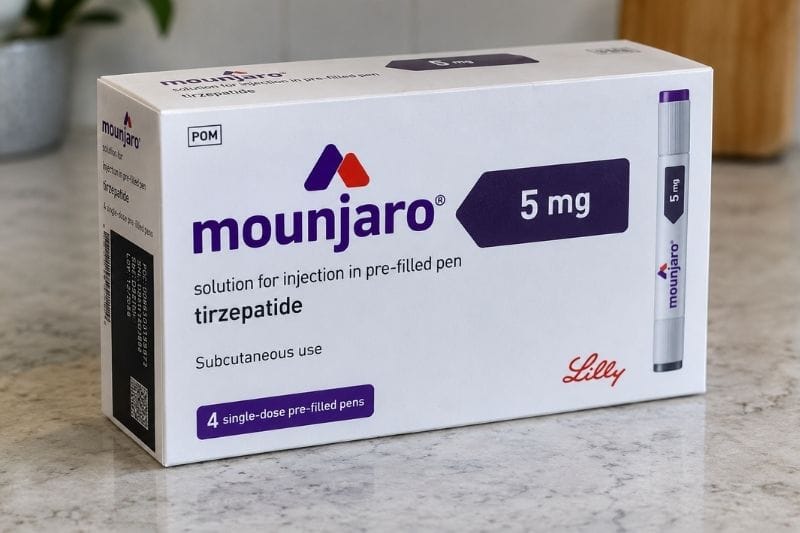
Weight loss injections have become more common, and they can be very effective for reducing body weight. The issue is not whether they work, but how that weight is lost and what happens afterwards.
These medications often reduce appetite significantly. People eat less, sometimes much less, but they do not always prioritise protein or include any form of structured strength training. Without those two things, the body has very little reason to hold on to muscle during weight loss.
This means that alongside fat loss, there can also be a meaningful loss of muscle. If someone then comes off the injections and regains weight, which is quite common, that weight is more likely to come back as fat rather than muscle.
You can end up back at a similar weight to where you started, or not far off it, but with a worse body composition than before. Higher body fat, lower muscle mass, and often a slower metabolism than when you began. From a health and long term sustainable weight management perspective, that is not a great outcome, and it is where sarcopenic obesity can develop or become more pronounced.
Why Sarcopenic Obesity Makes Fat Loss Harder
When muscle mass is low, several things start to work against you. You burn slightly fewer calories at rest, your strength is lower which limits how hard you can train or how much you move, and you tend to fatigue more easily.
This often leads to shorter or less effective workouts, lower overall activity levels, and slower progress. Over time, that can feel frustrating and can knock consistency, which is one of the biggest drivers of results.
How Do You Spot Sarcopenic Obesity?
There are clinical ways to measure this, but in the real world you do not always need a scan to get a good idea.
Look at patterns and trends:
- Have you dieted multiple times over the years
- Has your strength dropped or stayed low
- Do you struggle to build or maintain muscle
- Has your weight stayed similar but your body shape changed
- Do you feel weaker than you think you should be
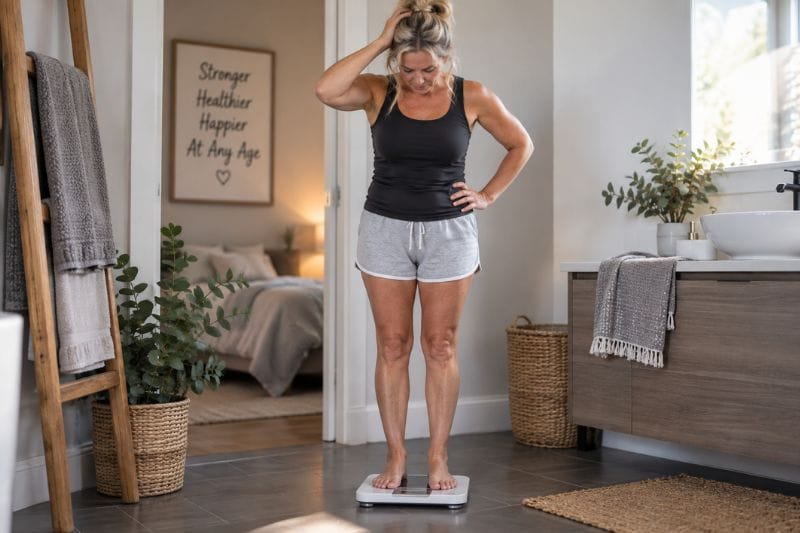
Progress photos, strength tracking, and simple measurements like waist circumference can be more useful than just stepping on the scales.
Can Sarcopenic Obesity Be Reversed?
Yes, it can be reversed, but it requires a shift in focus.
Instead of chasing weight loss alone, the goal becomes improving body composition by reducing body fat while maintaining or building muscle. This takes a more balanced and consistent approach, but it is far more effective long term.
How to Reduce Sarcopenic Obesity and Improve Your Body Composition
This is where the focus needs to change for most people.
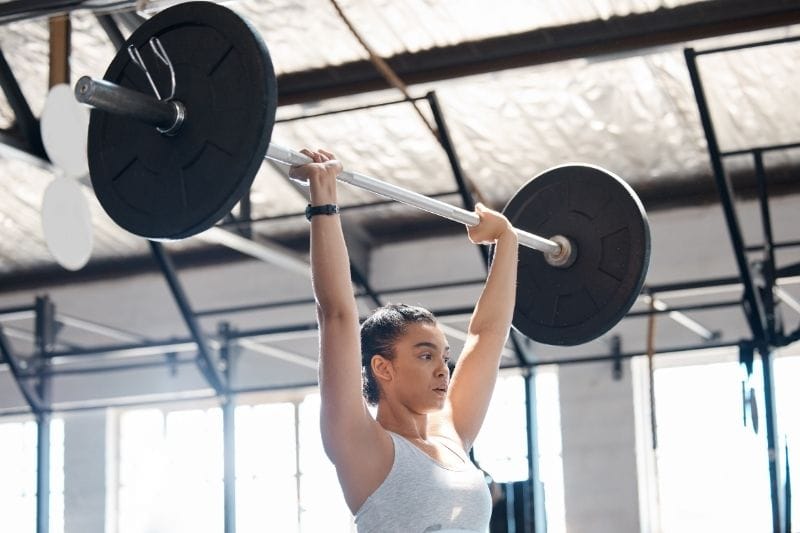
Strength Training Needs To Be A Priority
Two to four sessions per week is a good starting point. You do not need complicated programmes, but you do need to be consistent and gradually increase the challenge over time.
Protein Intake Needs To Improve
Each meal should include a solid source of protein. This helps protect muscle during fat loss and supports recovery and performance.
Avoid Aggressive Dieting
Slower, more controlled fat loss gives you a much better chance of maintaining muscle. Quick fixes often lead to worse outcomes over time.
Think In Terms Of Building Not Just Losing
The goal is not just to weigh less. It is to improve how your body looks, feels, and performs. That comes from improving body composition, not just reducing weight.
Stay Consistent
The biggest improvements come from doing the basics well over time. Not from jumping between extremes or constantly starting over.
A Typical Client Example
This is something I see sometimes with weight loss coaching clients.
Someone has dieted on and off for years and has managed to lose weight at different points, but it has always come back. Their weight might be similar to where it was five or ten years ago, but they feel weaker, less fit, and less confident in how they look.
When they shift their focus towards strength training, improving protein intake, and taking a more balanced approach to fat loss, things begin to change. The scales might not drop as quickly at first, but body shape improves, strength increases, and fat loss becomes more sustainable.
FAQs
What Is The Difference Between Sarcopenia And Sarcopenic Obesity?
Sarcopenia refers specifically to the loss of muscle mass and strength, which tends to happen with age or inactivity. You can have sarcopenia without having high body fat, particularly in older adults who are underweight or not eating enough.
Sarcopenic obesity is when that loss of muscle happens alongside higher levels of body fat. This combination tends to have a bigger impact on health, metabolism, and physical performance, because you are dealing with both reduced muscle and increased fat at the same time.
What Is Sarcopenic Obesity?
Sarcopenic obesity is a condition where someone has lower levels of muscle mass and higher levels of body fat at the same time. It is not always obvious from body weight alone, which is why many people have it without realising. It can impact strength, metabolism, and how easy it is to lose or maintain weight.
What Causes Sarcopenic Obesity?
The most common causes are repeated cycles of dieting, lack of strength training, low protein intake, and the natural loss of muscle that comes with ageing. In many cases, it is a combination of these factors over several years rather than a single cause.
Can Sarcopenic Obesity Be Reversed?
Yes, it can be reversed with the right approach. This usually involves strength training, improving protein intake, and taking a more sustainable approach to fat loss. It is not a quick fix, but it is very achievable.
What Does Sarcopenic Obesity Look Like?
It often presents as a “skinny fat” appearance where someone looks average in clothes but has low muscle definition and higher body fat than expected. Strength is usually lower than it should be for their size.
How Common Is Sarcopenic Obesity?
It is becoming more common, particularly as people get older and among those who have dieted multiple times. Modern lifestyles with lots of sitting and low levels of strength training also contribute to this.
How Do You Prevent Sarcopenic Obesity?
Prevention comes down to maintaining muscle mass. This means regular strength training, eating enough protein, staying active, and avoiding repeated cycles of aggressive dieting that lead to muscle loss.
Ready To Fix This Properly?
If you have read this and it sounds familiar, you are not alone. This is exactly the situation many of my clients are in when they start working with me.
They have tried dieting before. They have lost weight at times. But they feel like things have become harder, slower, and more frustrating over the years.
What we do instead is focus on building a stronger, more resilient body while reducing body fat in a sustainable way. That means structured strength training, clear nutrition guidance, and ongoing accountability so you actually stick to it.
Find out more about my weight loss coaching.
No extremes, no starting over every Monday, just a clear plan that works long term.
Disclaimer: This content is based on coaching experience and is intended for general education, not medical advice. Individual situations vary, and if you are struggling with your health or think you may have an eating disorder, it is important to seek guidance from a qualified healthcare professional.