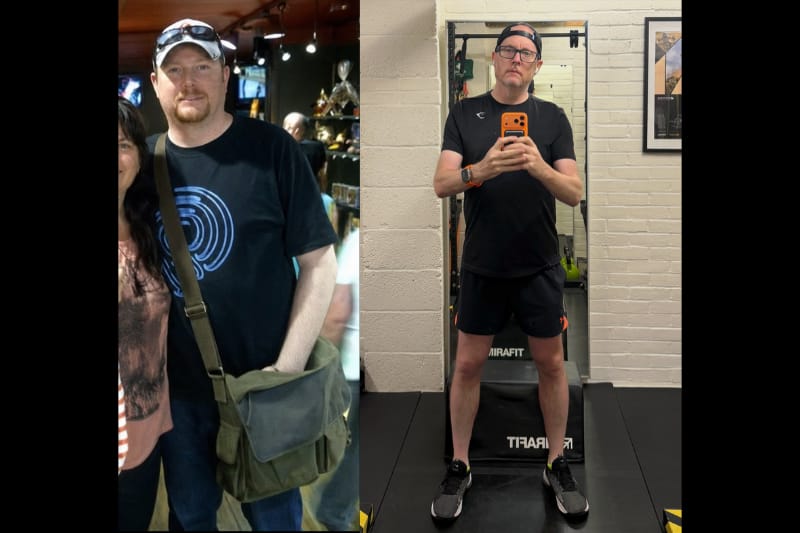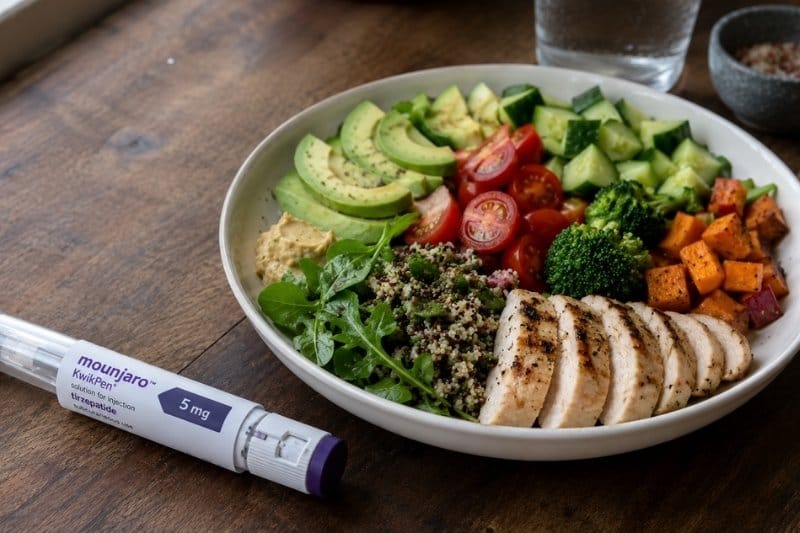
People often assume that if the scales are moving in the right direction then everything must be fine, and to be fair I completely understand why. If somebody who is working with me as a weight loss coach client, for example, has spent years trying to lose weight, struggling with hunger, feeling like they have failed diet after diet and then suddenly starts Mounjaro, Wegovy or Ozempic and the weight begins coming off, it feels like proof that something is finally working. Food becomes quieter, eating feels easier and for the first time in years there is often a sense that life is no longer revolving around the next meal.
The problem is that successful weight loss and being properly nourished are not automatically the same thing.
That maybe sounds more dramatic than I mean it to perhaps. I am not talking about severe malnutrition or anything hospital level. I am talking about the sort of thing I suspect happens more often than people realise, where appetite reduces so effectively that somebody gradually eats less and less without really intending to. Initially they feel fine and often quite pleased with progress, but after a while other things quietly start changing in the background.
One thing I have noticed in conversations around weight loss injections is that people sometimes assume hunger disappearing means nutritional needs disappear too. They are not the same thing. Feeling less hungry does not necessarily mean your body suddenly needs dramatically less nutritious food and this is where I think some people accidentally get caught out.
This blog is not about detailed nutrition advice because I already cover that elsewhere on the site, including my weight loss jab nutrition guide and my article on how many calories you should eat each day for weight loss. Instead, this is more about spotting the warning signs and asking yourself whether things still feel healthy and sustainable.
Can GLP-1 weight loss injections cause malnutrition?
The short answer is yes, they can, although probably not for the reasons people expect.
Weight loss injections themselves are not causing malnutrition in the sense that they are stripping nutrients out of your body. The more common issue is that they can reduce appetite so effectively that some people unintentionally stop eating enough overall.
That can be surprisingly easy to miss because eating less usually feels positive at first.
Breakfast gets skipped because somebody is not hungry. Lunch becomes something they forget because work gets busy. Dinner becomes smaller because they feel full after a few mouthfuls. Weight starts dropping and because the scales are rewarding the behaviour it becomes easy to assume everything must be going well.
I have spoken to people who genuinely looked surprised when we worked backwards through a typical day and realised they had eaten far less than they thought. Not because they were trying to starve themselves, but because they simply were not thinking about food anymore.
That is one of the reasons I do not love the idea of treating injections like a competition to eat the least.
The goal is not surviving on the smallest possible amount of food. The goal is losing weight while still functioning well physically, mentally and socially.
Some things that would make me ask more questions include:
- Regularly skipping meals because you do not feel hungry
- Eating tiny portions for weeks rather than days
- Losing weight much faster than planned
- Having nausea that is stopping normal eating
- Feeling very full very quickly
- Eating a very narrow range of foods and protein, fruit and veg intake being very low
- Not really knowing roughly how much you are eating anymore
None of those automatically means malnutrition and equally I would not panic if one applies occasionally. It is more about whether this has quietly become normal.
What are the signs of malnutrition on weight loss injections?
This is probably the section most people came here for because usually the question is not “am I malnourished?”, it is more “does this still feel normal?”
One of the reasons this can be difficult to spot is because the symptoms are not especially dramatic and most of them have multiple possible causes. People blame work, stress, poor sleep, age, hormones, training or simply life being busy. Sometimes they are right.
But sometimes intake has gradually drifted lower than they realised.
Some signs I would pay attention to include:
- Persistent tiredness despite sleeping reasonably well
- Feeling mentally slower or foggier than normal
- Feeling colder than usual
- Hair thinning or increased shedding
- Slower recovery from exercise
- Feeling physically weaker
- Getting ill more often
- Changes in skin quality
- Lower energy and motivation
- Feeling flatter than normal overall
Hair loss comes up a lot with injections and rapid weight loss generally, and this is one where context matters. Hair shedding does not automatically mean malnutrition and there are multiple reasons it can happen during periods of weight loss, which is why I covered that separately in my hair loss blog rather than repeating it all here.
Feeling cold is another one that people often dismiss but I think is worth paying attention to. If somebody has dropped weight quickly, intake has become very low and they suddenly find themselves freezing all the time, I would not automatically ignore that.
The same applies to training and recovery. If sessions that normally feel manageable suddenly feel much harder and you are recovering poorly despite sleeping reasonably well, it is worth stepping back and asking whether enough food is coming in.
One question I actually think is underrated is simply asking whether you still feel like yourself. Not whether your calories are low enough and not whether the scales are behaving. Do you feel sharp? Do you feel energetic? Do you feel reasonably normal? Because if the answer becomes no for a sustained period, that deserves attention.
How do weight loss injections affect nutrient absorption?
This is an area where there is quite a lot of confusion.
Weight loss injections slow stomach emptying and change appetite, but for most people the bigger issue is not nutrients suddenly failing to absorb properly. Usually the bigger issue is much simpler than that.
If somebody is eating substantially less food overall then there are naturally fewer opportunities to get everything they need.
That becomes even more relevant if nausea is involved, if somebody is avoiding certain foods or if meals have become very repetitive because eating feels like a chore rather than something enjoyable.
I actually think this is one situation where short periods of tracking can occasionally be useful. Not because I believe everybody should weigh and track forever, but because memory is not always very accurate.
I have had people tell me they thought they were eating around 1800 calories and then after tracking properly for a few days realise they were closer to 1000 or 1200.
That changes the conversation.
How much should you be eating on weight loss injections?
This is usually where people want a perfect number and unfortunately there is not one.
Body size, age, activity levels, goals and medical context all matter. Somebody who trains five days per week is obviously going to have different requirements to somebody who is mostly sedentary.
What I would say though is that there is a difference between being in a calorie deficit and simply not eating very much.
One thing I occasionally see is somebody assuming that because hunger has disappeared they must not need much food anymore. Again, those are not quite the same thing.
These are the sorts of phrases that would make me pause and ask a few more questions:
- I never feel hungry anymore
- I forget meals most days
- I only eat because somebody reminds me
- I cannot finish very small portions
- I am losing weight faster than expected
- I feel completely fine eating very little
None of those automatically means something is wrong.
Equally, I would not wear them like achievements.
If somebody is losing weight steadily, feels good and life feels normal then great. If weight loss is rapid but they also feel tired, cold, weaker and generally not themselves then I think it deserves a closer look.
What should you do if you think you’re malnourished on Mounjaro or Wegovy?
Firstly, do not assume the worst.
Recognising one or two things from this article does not automatically mean something serious is happening and it definitely does not mean you should stop medication.
What I would do instead is step back and look at the overall picture rather than focusing on one symptom.
Has food intake gradually drifted down?
Are you eating intentionally or just following reduced appetite?
Have things changed since starting injections?
Do symptoms improve when intake is higher?
Have you become more interested in seeing the scale drop than in how you actually feel?
If you genuinely are not sure then I do think there can be value in tracking for a few days. Not forever and not obsessively, just enough to get a realistic picture.
I would also ask questions that have nothing to do with body weight:
- How is work?
- How is concentration?
- How is training?
- How is recovery?
- How is energy and your general mood?
- Do you still feel like yourself?
If something feels off then speak to your prescriber rather than trying to push through because you do not want progress to slow down. Most of the time people do not need dramatic changes. They just need to catch things earlier.
Support With Weight Loss Injections
Weight loss injections can be brilliant and I genuinely think they are helping a lot of people who previously felt stuck. At the same time, I do think there is a risk of becoming so focused on appetite and scale weight that people stop checking whether they still feel healthy while they are losing. Protein, fruit and veg can sometimes get forgotten!
My view has always been that successful weight loss should leave you lighter and healthier, not lighter and feeling rubbish.
Whether you need a structured nutrition plan or a coach providing daily accountability and support via WhatsApp to ensure you’re fuelling your body well, I can help you navigate the process sustainably. If you are using Mounjaro, Wegovy, or Ozempic and want a professional to sense-check your progress and help you build real-world habits, have a look at my coaching options or book a chat today.