One of the interesting things about being a weight loss coach is that I often know what is trending on TikTok and Instagram without actively looking for it. A supplement, diet or new weight loss hack starts doing the rounds, and before long, one of my clients will ask me whether they should give it a try.
Sea moss is a good example. It has been promoted for gut health, improved energy, better skin, thyroid health and, of course, weight loss. Depending on which video you watch, adding a spoonful of sea moss gel to your morning smoothie can apparently transform just about every aspect of your health.
Part of my job as a weight loss coach is helping people separate genuinely useful ideas from clever marketing. I’m not interested in telling you sea moss is a miracle supplement, but I’m equally not going to tell you it’s completely useless just because it happens to be popular on social media.
So, does sea moss actually help you lose weight? Let’s look at what it can realistically do, what it can’t do, and whether it’s worth spending your money on.
Sea Moss for Weight Loss: Why Does Everyone Think It’s a Weight Loss Hack?
Sea moss is a type of red seaweed that grows naturally in coastal waters. You’ll usually see it sold as a gel, powder, capsule or, increasingly, as gummies.
It contains various vitamins and minerals, as well as fibre and compounds that give sea moss gel its thick texture. None of that suddenly makes it a weight loss supplement, but it does help explain why sea moss has become so popular as part of the wider interest in gut health, natural foods and wellness supplements.
Social media has done the rest.
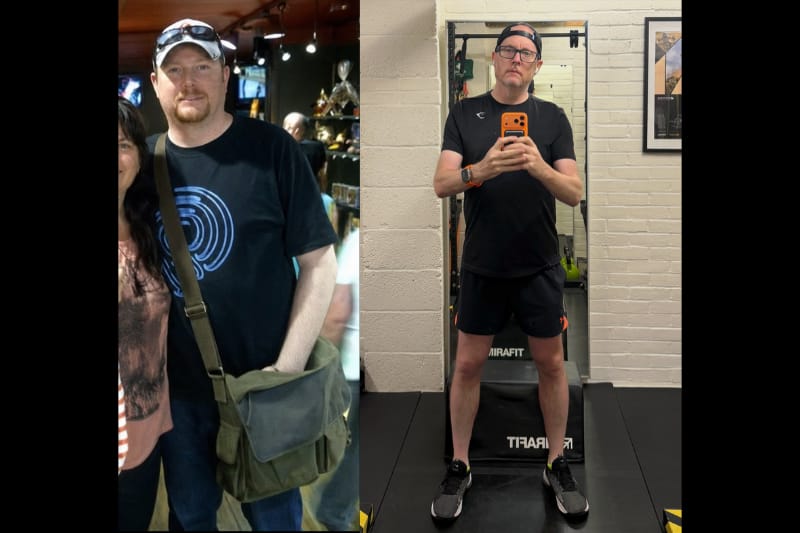
Someone starts taking sea moss alongside improving their diet, exercising more and generally paying more attention to their health. They lose weight, feel better and post their results online. Before long, the sea moss becomes the headline rather than all the other changes they made at the same time.
That’s a pattern we see with a lot of supplements.
Does Sea Moss Help You Lose Weight? The Short Answer
Sea moss does not directly cause weight loss or burn body fat. There is currently no good evidence that simply adding sea moss to your diet will make you lose a meaningful amount of weight.
However, sea moss contains fibre, is relatively low in calories and may help some people feel fuller or improve aspects of their diet. If that helps you eat fewer calories consistently, it could indirectly support weight loss.
The important distinction is that sea moss may support habits that help create a calorie deficit. It does not create meaningful fat loss by itself.
Why People Think Sea Moss Works For Weight Loss – The Longer Answer
There are a few genuine reasons why adding sea moss to your diet could potentially be helpful. The problem comes when these relatively modest benefits are turned into claims that sea moss itself causes weight loss.
It May Help You Feel Fuller
Again, sea moss contains fibre, including soluble fibre and substances that create its characteristic gel-like texture.
Fibre can slow digestion and help you feel fuller after eating. In theory, adding sea moss to a meal or smoothie could therefore help with appetite management.
Context matters though.
If you already eat plenty of fruit, vegetables, beans, pulses and wholegrains, the small amount of additional fibre you’re getting from sea moss probably isn’t going to transform your appetite.
If your current diet is very low in fibre, increasing your overall fibre intake could certainly help. Sea moss is one way of doing that, but it’s far from the only option.
It Can Be A Low-Calorie Swap
This is probably one of the more practical ways sea moss could help.
If you replace a high-calorie snack, sugary drink or dessert with something lower in calories containing sea moss, you may reduce your overall calorie intake. But again, it’s the swap that’s doing most of the work.
Adding sea moss gel to your normal diet without changing anything else is unlikely to suddenly result in weight loss.
Sea Moss Contains Iodine
Sea moss contains iodine, which your body needs to produce thyroid hormones. Your thyroid plays an important role in metabolism, which is one reason iodine and sea moss often appear in weight loss claims.
However, more iodine does not automatically mean a faster metabolism.
If you are deficient in iodine, correcting that deficiency is important for normal thyroid function. If your thyroid function is already normal and you’re getting enough iodine, taking additional iodine isn’t going to turn your metabolism up and make you burn considerably more calories.
In fact, regularly consuming too much iodine can cause thyroid problems, which is one reason I wouldn’t recommend treating sea moss as something you should take in unlimited amounts. The NHS advises against taking high doses of iodine supplements long-term for exactly this reason.
Does Sea Moss Help With Bloating?
Does sea moss help with bloating? Possibly, but that’s not the same as losing weight.
There is a reasonable argument that the fibre and prebiotic compounds found in seaweed could support gut health in some people. If taking sea moss helps improve bowel regularity or constipation, you may feel less bloated and your stomach could temporarily look flatter.
That isn’t the same as losing body fat.
Bloating, constipation, water retention and the amount of food sitting in your digestive system can all change your body weight and how your stomach looks from one day to another. It’s also worth mentioning that adding more fibre can initially make bloating worse, particularly if you suddenly increase your intake or already have digestive problems.
This is another area where social media before and after photos can be misleading. A flatter stomach doesn’t necessarily mean someone has lost body fat, particularly when the photos have been taken hours or days apart.
What The Evidence Actually Says About Sea Moss And Weight Loss
We always need to be careful not to take a potentially useful food and give it properties that haven’t actually been demonstrated.
There isn’t currently good-quality clinical evidence showing that taking sea moss causes meaningful weight loss in humans. Some research into seaweed, seaweed fibres and related compounds suggests possible benefits for appetite, gut health, blood sugar control and metabolism. These are interesting areas of research, and there are plausible reasons why including seaweed as part of a balanced diet could support overall health.
But that isn’t the same as showing that taking a spoonful of sea moss gel every day will cause you to lose weight.
As a nutritionist and weight loss coach, I think it’s important to make that distinction. Something can have nutritional value without being a weight loss treatment.
The evidence is much stronger for the things most people already know they should be doing: managing calorie intake, eating enough protein and fibre, exercising regularly, getting enough sleep and creating habits you can actually maintain.
Sea moss can potentially sit alongside those fundamentals. It can’t replace them.
Sea Moss Weight Loss Before And After: What’s Really Going On In Those Photos?
Search for sea moss weight loss results and you’ll find plenty of impressive before and after photos.
The problem with before and after photos is that they tell you what happened, but they don’t necessarily tell you why it happened.
Someone might start taking sea moss at the same time as:
- Reducing their calorie intake
- Eating more fruit and vegetables
- Drinking fewer sugary drinks
- Increasing their protein intake
- Walking more each day
- Starting a new exercise programme
- Drinking more water
- Sleeping better
- Paying more attention to their health in general
If they lose two stone over the following six months, it’s very easy to credit the supplement they took every morning. In reality, the broader change in their diet, activity levels and lifestyle is far more likely to explain most of the weight loss.
There are also the usual problems with before and after photos online. Lighting, posture, camera angles, filters, clothing and even the time of day can dramatically change how someone’s body looks.
I’m not saying every sea moss transformation you see online is fake. I’m saying you should be very cautious about assuming the sea moss caused the transformation.
How To Use Sea Moss If You Want To Try It Anyway
If you understand that sea moss isn’t a fat burner but still want to try it, I don’t have a problem with that.
Sea moss is available in several forms:
- Sea moss gel: Easy to add to smoothies, yoghurt, porridge or other foods. Check the storage instructions because homemade and fresh gels don’t last indefinitely.
- Capsules: Convenient and easier to take consistently, although the actual amount of sea moss and iodine can vary between products.
- Powders: Can be mixed into drinks and food, but again, check the recommended serving size.
- Gummies: Convenient and easy to take, but some products contain added sugar and relatively small amounts of sea moss.
There isn’t an established dose of sea moss specifically for weight loss because sea moss hasn’t been proven to cause weight loss.
My advice would be to follow the manufacturer’s recommended serving size rather than assuming more is better. I’d also look for a reputable manufacturer that provides clear information about the product’s ingredients, iodine content and independent testing for contaminants such as heavy metals.
If you’re using sea moss gel for weight loss, think about what you’re adding it to as well. Putting sea moss into a 700-calorie smoothie every morning and assuming the sea moss will somehow cancel out the calories isn’t going to work.
Who Should Be Careful With Sea Moss?
Sea moss is often marketed as natural, but natural doesn’t automatically mean suitable for everyone.
You should be particularly careful about regularly using sea moss if:
- You have a thyroid condition or take thyroid medication.
- You have been advised to monitor or restrict your iodine intake.
- You are pregnant or breastfeeding.
- You take medication and aren’t sure whether increasing your intake of seaweed or iodine could cause an interaction.
- You have digestive problems that are made worse by increasing your fibre intake.
- You regularly eat other seaweeds or take supplements containing iodine.
The iodine content of sea moss products can vary, and seaweed can also absorb heavy metals and other contaminants from the environment.
If you have a medical condition, are pregnant or breastfeeding, or take regular medication, speak to your GP, pharmacist or another appropriately qualified healthcare professional before regularly taking sea moss supplements.
My Take As A Weight Loss Coach
Sea moss is a nutritious type of seaweed that may have some health benefits. It contains fibre, iodine and other nutrients, and some people may find that adding it to their diet helps with fullness, bowel regularity or simply encourages them to make healthier choices. But sea moss isn’t a weight loss solution.
If you enjoy it, can afford it and want to include it as part of a balanced diet, that’s absolutely fine. I just wouldn’t spend £20, £30 or £40 a month on sea moss while ignoring the things that are far more likely to determine whether you lose weight.
One thing I often see is people researching supplements, metabolism boosters and weight loss hacks because the fundamentals feel difficult. They know they need to eat fewer calories consistently. They know they would benefit from eating more protein and fibre, moving more and improving their habits. The problem isn’t knowing what to do. It’s actually doing it consistently when work is stressful, motivation disappears or life gets in the way.
That’s where coaching can help. My online weight loss coaching is built around creating a plan that works in real life, with daily accountability and regular support to help you stay consistent rather than constantly looking for the next diet or supplement.
Frequently Asked Questions About Sea Moss And Weight Loss
Does Sea Moss Help You Lose Weight?
Sea moss does not directly burn fat or cause meaningful weight loss. It contains fibre and is relatively low in calories, so it could indirectly support weight loss if it helps you manage your appetite or replace higher-calorie foods. Ultimately, you still need to consistently consume fewer calories than your body uses to lose body fat.
Can Sea Moss Help You Lose Belly Fat?
There is no evidence that sea moss specifically reduces belly fat. You also can’t choose where your body loses fat from. As you lose weight, your genetics, hormones and individual body shape influence where fat comes off first. Sea moss may help some people feel less bloated, which could make the stomach temporarily appear flatter, but this isn’t the same as losing abdominal fat.
Is Sea Moss Good For Bloating?
Sea moss contains fibre and compounds that may support gut health and bowel regularity, which could help some people who experience bloating related to constipation. However, increasing your fibre intake too quickly can also cause additional gas and bloating. If you decide to try sea moss, introduce it gradually and pay attention to how your digestive system responds.
How Much Sea Moss Should I Take For Weight Loss?
There is no clinically established dose of sea moss for weight loss because sea moss hasn’t been proven to cause weight loss. Follow the recommended serving size provided by the manufacturer and avoid assuming that taking larger amounts will produce better results. Because sea moss can contain significant and variable amounts of iodine, regularly taking excessive amounts may cause thyroid problems. Always seek medical advice when appropriate.
Can Sea Moss Make You Gain Weight?
Sea moss itself is generally relatively low in calories, so normal servings are unlikely to directly cause significant weight gain. However, weight gain is determined by your overall calorie intake. If you’re adding sea moss to high-calorie smoothies, drinks or meals and increasing your total calorie intake, it could indirectly contribute to weight gain. Some sea moss gummies and prepared products can also contain added sugars and other ingredients, so check the nutrition information rather than assuming every sea moss product is low in calories.
Which Sea Moss Is Best For Weight Loss?
There isn’t a particular type or brand of sea moss that has been shown to cause greater weight loss. If you decide to buy sea moss, look for a reputable manufacturer that clearly states the ingredients, recommended serving size and iodine content. Ideally, choose a product that has been independently tested for contaminants such as heavy metals. Whether you choose gel, capsules or powder is largely down to personal preference and how you plan to use it.
Sea Moss Won’t Fix the Fundamentals
If you’re spending more time researching sea moss, supplements and weight loss hacks than working on the habits that actually determine your results, it might be worth having a conversation. You can book a free consultation with me to talk through your goals and see whether online weight loss coaching could help.