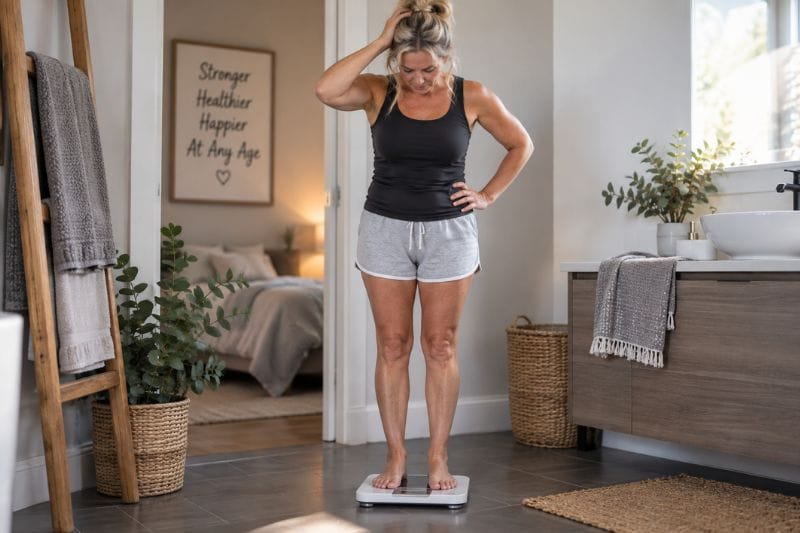
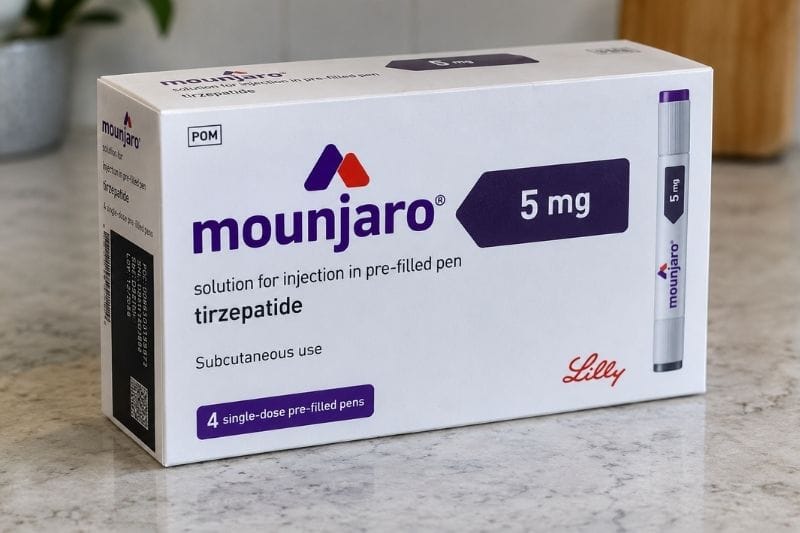
Hormones get talked about a lot in the weight loss world. You hear phrases like hormone imbalance, slow metabolism, fat storing mode and broken hormones. It can sound dramatic, confusing and sometimes a bit frightening. The truth is far calmer. Your hormones do influence things like hunger, cravings, mood, energy levels and how easy or hard weight loss feels, but they do not override everything else your body does. Most people can make progress with steady routines and realistic habits, even when hormones fluctuate.
Let’s strip this back and look at what the endocrine system actually is, how it relates to weight gain and weight loss, and which hormones genuinely matter.
What the Endocrine System Actually Is
The endocrine system is simply the body’s hormone system. It is made up of a group of glands that release hormones into the bloodstream. These hormones act like messengers, helping different parts of the body communicate. They help regulate hunger, fullness, energy, sleep, stress, blood sugar, metabolism and a lot of other day-to-day stuff you don’t even think about.
Hormones are not switches that turn fat loss on or off. They are more like volume dials that make things feel easier or harder depending on what is happening in your life.
The Main Organs and Glands in the Endocrine System
You do not need to memorise these, but knowing the basics helps the whole picture make sense.
- Pituitary gland
The master gland that tells other glands when to release hormones. - Thyroid
Controls energy output and metabolic rate. - Pancreas
Produces insulin and glucagon to regulate blood sugar. - Adrenal glands
Manage stress hormones such as cortisol and adrenaline. - Ovaries (women)
Produce oestrogen and progesterone. - Testes (men)
Produce testosterone. - Pineal gland
Helps regulate sleep through melatonin.
These organs are constantly talking to each other. When one hormone shifts, others usually adjust to compensate.
The Hormones That Influence Weight, Hunger and Energy
There are hundreds of hormones in the body, but only a handful have a noticeable effect on appetite, energy and weight.
Insulin
Insulin helps move glucose from the bloodstream into your cells. It is often blamed for weight gain, but insulin itself does not cause fat gain. Weight gain happens when calories are consistently higher than your needs, not because insulin is present. Insulin is simply doing its job.
Glucagon
Glucagon does the opposite of insulin. When blood sugar drops too low, glucagon tells the liver to release stored glucose. It helps prevent energy crashes and feelings of shakiness.
Thyroid Hormones (T4 and T3)
These hormones help regulate your metabolic rate. If levels fall too low, you may feel tired, cold or sluggish. True thyroid problems are real but far less common than social media makes them seem. Many people blame their thyroid when the real issue is low energy, inconsistent routines or poor sleep.
Cortisol
Cortisol is a stress hormone and often blamed for cortisol belly. It does not cause fat gain by itself, but high cortisol levels can influence appetite, cravings, emotional eating and sleep. Stress often leads to behaviours that make weight loss harder, which is why managing stress matters.
Leptin
Leptin signals fullness. When body fat drops quickly, leptin levels fall, which makes you hungrier. This is why very aggressive dieting feels so difficult.
Ghrelin
Ghrelin is the hunger hormone. It increases when you are tired, stressed or under eating. Poor sleep, long gaps between meals and extreme diets can all increase ghrelin. One night of poor sleep can increase ghrelin by up to 15-20%, explaining why you reach for the biscuits at 3pm after a bad night!
Oestrogen, Progesterone and Testosterone
These hormones influence mood, appetite, strength, energy and recovery. During perimenopause and menopause, oestrogen changes can affect hunger, sleep and cravings. Losing muscle mass becomes easier, which means strength training becomes even more important.
Adrenaline and Noradrenaline
These are your alertness hormones. They increase during hard exercise, stress or excitement and often reduce appetite temporarily.
What the Endocrine System Does Not Do
There are many myths about hormones. Here is what the endocrine system does not do:
- Hormones do not override energy balance
- Hormones do not stop fat loss completely
- You cannot get stuck in fat storing mode
- You are not broken
- “Hormonal imbalance” is massively overused online and on social media
- Most people do not have a medical hormone condition
- Weight gain is rarely caused by one hormone acting alone
Hormones affect how you feel, but they do not make weight loss impossible.
How the Endocrine System Affects Weight Gain and Weight Loss
Hormones shape how your body feels day to day. They influence your appetite, motivation, cravings and energy levels. This means they affect the behaviours that lead to either weight gain or weight loss.
Hunger and Cravings
When leptin drops or ghrelin rises, you naturally feel hungrier. Stress and poor sleep make this worse. This is why tired people often crave quick energy foods.
Energy Levels
Thyroid hormones, cortisol, adrenaline and sex hormones all influence how energetic you feel. Low energy usually leads to fewer steps, less movement and less effort in workouts.
Natural Metabolic Changes During Dieting
When you lose weight, your body adjusts. Appetite increases, energy output drops a little and you burn slightly fewer calories. This is normal. It does not mean your metabolism is damaged. It is simply your body adapting to a smaller size.
Menstrual Cycle and Menopause
Hormonal changes during the menstrual cycle and menopause can affect appetite, sleep, water retention and energy. This can make weight loss feel inconsistent, but the principles of fat loss still apply.
Stress and Emotional Eating
Cortisol does not cause fat gain directly, but high stress increases cravings and reduces motivation for healthy habits.
How Lifestyle Affects Your Hormones
The good news is that you do not need perfect hormones to make progress. Many of the most important hormones respond very well to simple habits:
- Good sleep helps regulate ghrelin, leptin and cortisol
- Strength training improves insulin sensitivity and supports thyroid function
- Regular meals keep blood sugar stable and reduce cravings
- Protein and fibre help with fullness
- Movement and steps improve energy levels and mood
- Stress management reduces emotional eating triggers
- Not under eating keeps hunger hormones more stable
That’s the boring stuff that actually works.
When Hormones Do Need Medical Attention
Hormone issues are less common than people think, but they do happen. Speak to a GP if you experience:
- Unexplained weight gain or loss
- Extreme fatigue
- Menstrual cycle changes
- Symptoms of PCOS
- Concerns about diabetes
- Very low mood or anxiety
- Feeling cold all the time
- An unexpectedly low appetite or high appetite
Getting checked does not slow your progress. It gives you clarity and peace of mind.
The Real Truth About Hormones and Weight Loss
Hormones influence how easy or hard the journey feels, but they do not decide your outcome. Your endocrine system affects your hunger, cravings, energy and motivation, but it does not stop you losing weight when your habits are consistent and realistic. You don’t need perfect hormones. You need structure, decent sleep and habits you can actually stick to.
FAQs
What hormones affect weight loss?
The main ones are insulin, glucagon, leptin, ghrelin, cortisol and the thyroid hormones T4 and T3. These hormones influence hunger, fullness, stress, energy levels and how easy or hard fat loss feels, but they do not override calorie balance.
Can hormones make you gain weight?
Hormones influence appetite, cravings and energy levels, which can lead to eating more or moving less. This can cause weight gain over time. They do not create weight gain in isolation. They influence the behaviours that drive it.
Does menopause make weight loss impossible?
No. Menopause can make weight loss feel harder due to sleep changes, cravings and lower energy, but fat loss is still possible with the right structure.
What are signs of hormonal imbalance?
True hormonal disorders are far less common than Instagram and TikTok makes them look. But if symptoms are persistent or worrying, get checked.
Does cortisol stop weight loss?
Cortisol does not magically lock fat to your stomach. It makes weight loss harder by increasing stress-driven eating and disrupting sleep.
Can thyroid issues prevent fat loss?
An underactive thyroid can slow metabolic rate, but treatment usually restores balance. Most people still lose weight with a steady routine. Severe untreated hypothyroidism can slow things down, but most people who think they have a thyroid problem do not.
Why am I hungry even when my hormones are normal?
Hunger comes from sleep, stress, meal timing, low protein, low fibre or inconsistent routines as much as from hormones. Hunger is not always hormonal. It is often practical.
Do diet breaks help hormones?
Diet breaks can temporarily improve leptin, hunger signals and energy levels during long dieting phases. They are not magic resets, but they can reduce the psychological and physiological pressure of long deficits.
Are my hormones the reason I cannot stick to a diet?
Hormones affect cravings and energy, but perfectionist expectations and all or nothing thinking are usually bigger factors. Blaming hormones can feel comforting, but habits and expectations usually matter more.
Can I balance my hormones with supplements?
No supplement balances hormones. Lifestyle habits and medical treatment, when needed, are the most effective tools. Most supplement claims around hormone balancing are marketing. If there is a genuine issue, lifestyle or medical treatment is far more effective.
Need Weight Loss Support?
Your hormone system is complex. The basics of fat loss aren’t.
Hormones influence your hunger, cravings, energy and mood, but they do not prevent progress. You can work with your body rather than against it by focusing on steady routines, realistic habits and keeping things as simple as possible.
If you want weight loss support that fits your hormones, lifestyle and goals without overcomplicating anything, you can book a free consultation here.
Medical Disclaimer
This article is for general educational purposes only and does not replace personalised medical or training advice. If you have medical concerns or are considering changes to medication or exercise, speak to a qualified healthcare or fitness professional.