Ramadan raises a lot of questions for people who are trying to lose weight or stay active. Some worry that fasting will stop fat loss completely. Others assume weight loss will happen automatically just because they are eating less often. Many people are unsure whether they should still be training or going to the gym at all.
When I’m working with clients, it’s can be more straightforward than it first feels.
Ramadan does not automatically cause weight loss, but it does not prevent it either. What it does is change routines around food, hydration, sleep and energy. If those changes are understood and worked with, rather than ignored, weight loss can still happen or progress can at least be maintained.
Although I am not Muslim myself, I have worked with several clients over the years who observe Ramadan while also focusing on weight loss, nutrition, gym training or general fitness. The same themes come up again and again. The people who struggle most are usually those who try to approach Ramadan as if nothing has changed, while those who adapt their expectations tend to find it far more manageable. This is something I spend a lot of time navigating as part of my weight loss coaching, especially during periods where routines shift.
Does Ramadan Help or Hinder Weight Loss?
Whether someone loses weight during Ramadan still comes down to overall calorie intake across the day.
Some people find Ramadan supports fat loss because:
- There are fewer opportunities to snack
- Eating becomes more structured
- Mindless daytime eating disappears
Others gain weight because:
- Hunger builds up through the day
- Evening meals become very large
- Calorie-dense foods are eaten more often at iftar
This is usually why Ramadan feels confusing for people trying to lose weight. Two people can fast in exactly the same way and see completely different outcomes on the scale.
The fasting itself is not the deciding factor. What matters is how much is eaten overall once the fast is broken and how consistent that intake is across the week.
Do You Need to Change Your Weight Loss Approach During Ramadan?
In practice, Ramadan may not the best time to push hard for rapid fat loss.
Sleep is often shorter or broken, hydration is limited during the day, and training quality can dip slightly. In that context, maintaining weight, protecting muscle and keeping habits consistent may be a more positive outcome for some people.
That does not mean weight loss cannot happen. It simply means success during Ramadan may look different. Instead of chasing scale changes, the focus often shifts to:
- Keeping protein intake reasonably high
- Avoiding very large swings in calorie intake between days
- Maintaining routine rather than intensity
This approach tends to leave people in a much better position once Ramadan ends.
Ramadan Versus Intermittent Fasting
From a fat loss perspective, Ramadan has a lot in common with intermittent fasting. In both cases, food is eaten within a shorter daily window, which can help some people regulate appetite and reduce overall intake.
The main difference is hydration.
With most forms of intermittent fasting, water and other low-calorie drinks are allowed throughout the day. During Ramadan, there is no food or drink at all between dawn and sunset. This affects how people feel physically, particularly if they are active or training.
This does not stop weight loss from happening, but it does mean energy levels, hunger and recovery may feel different. Understanding that difference helps people avoid blaming themselves when things feel harder than usual.
Let’s cover hydration in more detail.
Hydration During Ramadan and Why It Matters for Weight Loss and Training

Again, one of the biggest differences between Ramadan fasting and other forms of fasting is hydration. Going without fluids during the day has a noticeable impact on how people feel, particularly when they are trying to lose weight or stay active.
Dehydration is one of the most common reasons people experience headaches, low energy, irritability and poor concentration during Ramadan. These symptoms are often assumed to be caused by hunger, but in reality, lack of fluids is very often the bigger factor.
When hydration is low, hunger signals can also become harder to interpret. Mild dehydration is frequently mistaken for hunger, especially later in the afternoon. This can increase the urge to overeat at iftar, even when calorie needs are not particularly high.
Low hydration also affects energy and exercise tolerance. People often feel flat or mentally drained as the day goes on, which reduces motivation to move or train. If exercise does happen, it can feel harder than expected because the body is already under-recovered before the session even starts.
This is why hydration overnight becomes so important during Ramadan. It is not about forcing large amounts of water in one go, but about drinking consistently between iftar and suhoor. People who spread their fluid intake across the evening and early morning tend to feel better the following day, experience fewer headaches and find it easier to manage both hunger and activity levels.
For some people, particularly those who train, sweat more, or are prone to headaches, water alone does not always fully resolve symptoms. In those cases, including some electrolytes in the evening may help replace minerals lost through sweating. This does not need to be complicated, and for many people, electrolytes are already provided through food rather than supplements. Foods like dates (potassium), olives (sodium), and leafy greens (magnesium) are traditional parts of Iftar that naturally help with hydration.
From a weight loss point of view, staying well hydrated also supports appetite control. When hydration is adequate, people are often better able to judge portion sizes, feel satisfied after meals, and avoid eating simply because they feel tired or uncomfortable.
Can You Exercise During Ramadan?
Yes, you can exercise during Ramadan. There are no restrictions on physical activity itself.
People are allowed to:
- Exercise
- Go to the gym
- Walk
- Train at home
The challenge is not permission, but practicality. Training without access to food or fluids during the day naturally affects how hard a session feels and how well someone recovers afterwards. This is why many people adjust the timing or intensity of their workouts during Ramadan.
Going to the Gym During Ramadan
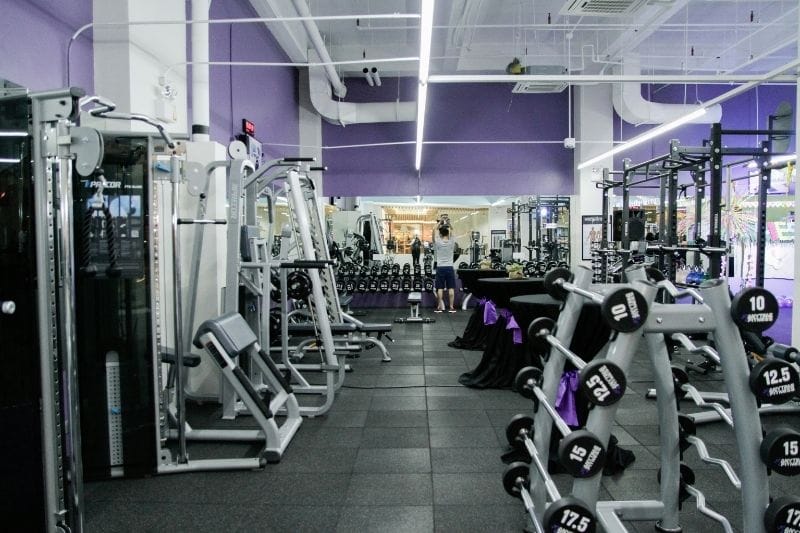
Going to the gym during Ramadan is completely fine, and many people continue training throughout the month.
Most clients find it easiest to train:
- After iftar, once they have eaten and hydrated
- Or shortly before sunset, knowing food and drink are available soon after
What usually changes is not whether someone trains, but how they train. Sessions may be slightly shorter, loads may be lighter, and the focus is often on maintaining strength rather than pushing for new personal bests.
This is not a step backwards. It is simply a temporary adjustment.
Walking and General Activity During Ramadan
Walking is often one of the most useful forms of activity during Ramadan.
It supports weight management because it:
- Increases daily movement
- Burns calories without draining energy
- Is easy to recover from
- Fits around most schedules
For many people, regular walking does more for consistency and mindset during Ramadan than forcing intense workouts when energy is low.
Does Training Experience Make a Difference?
Training experience does influence how the body responds during Ramadan.
People who are newer to exercise often still see improvements in strength or body composition even if training conditions are not ideal. Their bodies are highly responsive to new stimulus.
More experienced trainees tend to find that progress slows or pauses. This is normal. In most cases, maintaining strength and routine through Ramadan sets them up well to progress again afterwards.
Common Reasons Weight Loss Stalls During Ramadan
When weight loss stalls during Ramadan, it is rarely because fasting itself is the problem. More often, it comes down to a few practical issues.
These include:
- Very large evening meals after a long fast
- Low protein intake across the eating window
- Drinking far less fluid than expected overnight
- Trying to train as hard as usual despite lower recovery
- Trying to train at the same intensity as usual and then wondering why hunger spikes
- Poor sleep affecting appetite and energy
These are all things that can be adjusted with a bit of awareness and planning.
FAQs
Can you lose weight during Ramadan?
Yes. Weight loss during Ramadan is possible. Fasting does not prevent fat loss, but overall calorie intake still matters. Some people lose weight, some maintain, and some gain depending on how eating looks once the fast is broken.
Can you exercise during Ramadan?
Exercise is allowed during Ramadan. People can train at any time of day if they choose, but many prefer to exercise closer to iftar so that food and fluids are available around the session.
Can you go to the gym during Ramadan?
Yes. Many people continue going to the gym. Most adjust timing or intensity rather than stopping altogether.
Is walking allowed during Ramadan?
Walking is allowed and is often one of the most sustainable ways to stay active during Ramadan, particularly when energy levels are lower.
Will I lose muscle if I fast during Ramadan?
Muscle loss is not inevitable. Eating enough protein and doing some form of resistance training helps protect muscle mass, even while fasting.
Is it better to lose weight or maintain during Ramadan?
For many people, maintaining weight and habits during Ramadan is a very positive outcome. Weight loss can still happen, but avoiding rebound weight gain is often the bigger win. It comes down to the individual and their goals.
Do electrolytes help with hydration during Ramadan?
Headaches tend to show up mid-to-late afternoon rather than in the morning. So for some people, yes. Electrolytes can help if headaches or low energy persist despite drinking enough water, particularly for those who train or sweat more. They are optional rather than essential, and many people get enough electrolytes from food alone.
Support during Ramadan
Balancing fasting, work, family life, training and weight loss can feel complicated during Ramadan. With a realistic approach, it does not need to derail progress or turn into a stressful month.
If you want support adjusting nutrition, training or expectations during Ramadan, this is something I regularly help clients with through my weight loss coaching and personal training services, both online and in person.