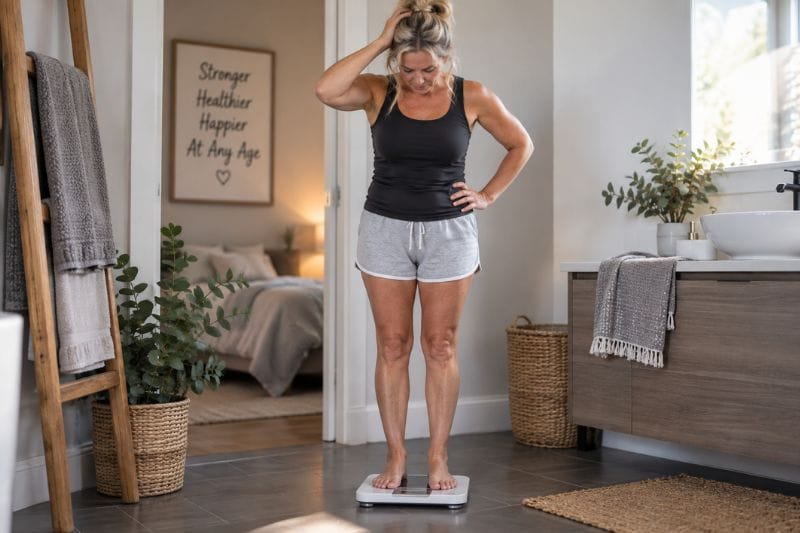
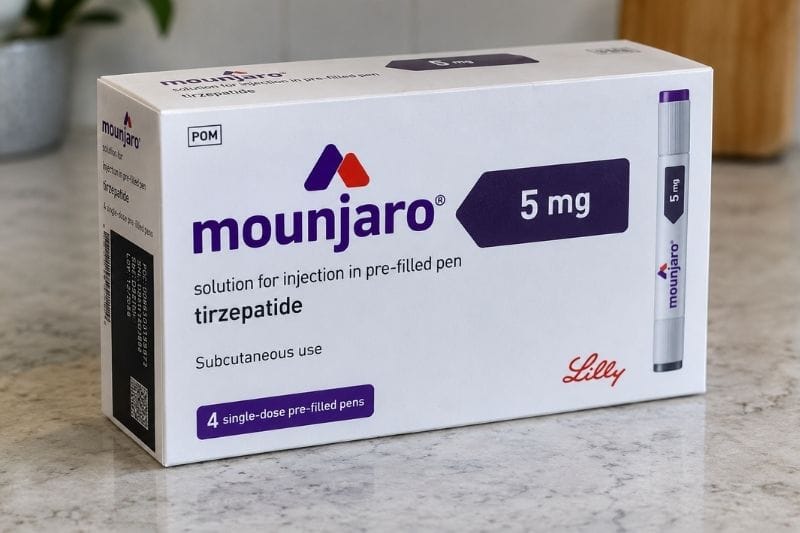
Let me start by making something clear – this is not a hit piece on weight loss injections.
Around 80 to 85 percent of my weight loss coaching and personal training clients are not on medication and never have been. The remaining 15 to 20 percent are either currently using weight loss injections, have used them in the past, or are in the process of coming off them.
What I have consistently seen is this: the principles that lead to long term success are the same for both groups. The rules do not change. The difference lies in how hunger, discipline and accountability interact.
I have seen some coaches aggressively criticise weight loss injections. In my opinion, much of this comes from fear. If a medication helps people lose weight, some coaches worry it will damage their business, so the medication becomes the villain.
I think that is short sighted. There may be some people who choose medication instead of coaching, but equally I now also work with people who are on injections and still need structure, accountability and proper guidance while using them. Medication and coaching are not enemies. They can work together.
So why am I asking whether the party is over?
The 2026 BMJ Study: Why Weight Regain is 4x Faster After Injections
A recent study published in the BMJ suggested that people using weight loss injections regained weight four times faster than those who did not use them.
It is important to understand what that actually means.
It is four times faster, not four times more.
However, rapid regain creates a serious issue known as Sarcopenic Obesity. When weight comes back quickly, it is mostly body fat. Muscle does not return at the same rate. This means someone can end up back at their previous bodyweight but with a higher body fat percentage and less muscle than before.
From a long term health perspective, that matters. Less muscle means lower strength, potentially lower metabolic rate, and reduced resilience as you age. Higher body fat, particularly around the organs, increases health risk over time.
I have also heard from people involved in local slimming groups that many of their new members are individuals who have recently come off injections and are panicking because their weight is rising quickly. They feel like they have lost control and do not know what to do next.
That is where the real problem lies.
Why Are People Coming Off Weight Loss Injections?
From what I have seen, there are several common reasons people either stop using injections or struggle while on them:
- Cost – At higher doses, some people are paying over £300 per month. For many, that is not sustainable long term.
- Reduced effectiveness – Some report that appetite suppression fades over time and weight loss stalls.
- Side effects – Some individuals simply feel rough and do not want that to continue.
- Not wanting lifelong medication – The idea of staying on a drug indefinitely does not sit comfortably with everyone. I was at a nutrition conference in November and a leading doctor was on stage talking about how people may have to be on them for life, but I feel this is unrealistic. Not everyone wants to due to long-term concerns that may not be known yet, cost, or side effects.
- Gallbladder concerns – There has been press coverage about increased gallbladder removals. It is important to understand that rapid weight loss itself increases the risk of gallstones. This is not unique to injections. It is a byproduct of losing fat quickly.
- Psychological drivers – In a small number of cases I have seen, deeper emotional or trauma related drivers, including PTSD, can override the appetite suppression. The emotional drive to eat is stronger than the medication effect.
- Goal Reached – Some people have hit their final weight loss goal, so then come off the medication.
None of this means injections do not work. Clearly they do for many people, given the last bullet point above.
But if you come off them and the weight rebounds quickly, what is your long term strategy?
If you do not want to be on them forever, there has to be a plan beyond the medication.
What Actually Keeps Weight Off Long Term
Whether you are on injections or not, the fundamentals do not change. The medication can reduce hunger, but it does not automatically build habits, muscle or resilience.
The following principles matter regardless:
- Reverse dieting – When a diet ends, you do not immediately return to your old calorie intake. You increase calories gradually, week by week, until you reach a realistic maintenance level. This helps stabilise weight and reduces the risk of rapid regain.
- Prioritising protein and fibre – Each meal should contain a meaningful protein source and fibre. This supports fullness, muscle retention and overall health.
- Strength training – This is crucial. Resistance training protects muscle during weight loss. If some weight returns later, you are in a far better position if you maintained muscle throughout the dieting phase.
- Addressing behaviour and mindset – Self talk, emotional triggers and coping strategies all matter. If food is being used to manage stress, trauma or boredom, that needs attention. Medication alone does not resolve those patterns.
- Accountability – Even with appetite suppressed, you still need to train, plan and make consistent decisions. I have seen people on injections eating very poor quality diets. They lose weight, but they do not build skills. When the medication stops, they have no structure to fall back on.
This is where coaching can play a powerful role, whether someone is using medication or not. The accountability might look slightly different when hunger is reduced, but the need for structure and guidance does not disappear.
So, Is the Weight Loss Medication Party Over?
If the belief was that weight loss injections were a permanent solution that required no behaviour change, then yes, that party might be over.
If, however, injections are used as a tool alongside proper habit change, strength training and gradual calorie increases after dieting, they can still be extremely effective.
The real question is not whether injections work.
The real question is whether you are building the skills to maintain the result once the medication changes or stops.
Medication can help you lose weight. It cannot live your life for you.
If you would like structured support with building those skills, you can find out more about my online weight loss accountability coaching and online personal training. I am always happy to answer questions and talk through your situation.
Whether you are on injections or not, the principles remain the same.
Build muscle. Eat well. Increase calories gradually after dieting. Work on your mindset.
That is what protects your results in the long term.