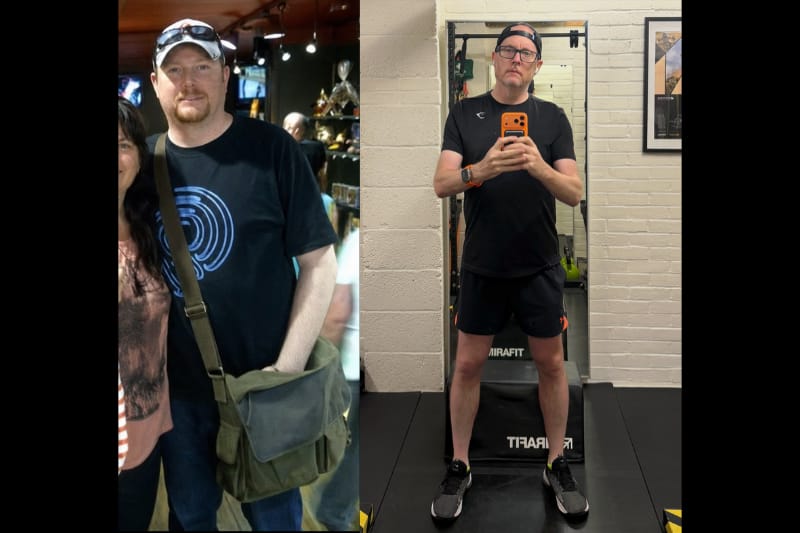
As a weight loss coach, as you can probably imagine, I usually have one or two coaching clients at any given time who are following the keto diet or a similar low carb approach. I do not put people on this diet myself though and I do not insist that anyone follows it, because the best diet for weight loss is the one that a person can realistically stick to over time.
Most of the people I work with follow a fairly normal way of eating where they still include carbohydrates, protein and fats in their meals, but every now and then someone finds that keto works well for them. If this is the case, working together we make sure they are doing it sensibly and that the diet actually supports their weight loss rather than causing new problems.
The keto diet has become one of the most talked about dieting approaches to weight loss in the last decade. Some people swear by it, others are very critical of it, and the truth usually sits somewhere in the middle.
In simple terms, people often lose weight on keto because reducing carbohydrates and eating more fat can make them feel fuller while also removing many processed and junk foods from their diet, which tends to reduce overall calorie intake, although the diet does have some limitations that are worth understanding.
What Is the Ketogenic Diet?
The ketogenic diet is a very low carbohydrate way of eating where most calories come from fat, a moderate amount comes from protein and carbohydrate intake is kept extremely low. The goal is to shift the body into a metabolic state called ketosis, where the body begins producing ketones from fat and uses them as a fuel source instead of relying primarily on glucose from carbohydrates.
Interestingly, the ketogenic diet was not originally created as a weight loss diet at all. It was developed in the 1920s as a medical treatment for epilepsy after doctors noticed that periods of fasting sometimes reduced seizures, particularly in children whose epilepsy did not respond well to medication. Researchers eventually designed a diet that could mimic some of the metabolic effects of fasting without requiring someone to stop eating completely.
In practice this usually means keeping carbohydrate intake to somewhere around 20 to 50 grams per day. Foods such as bread, rice, pasta, potatoes and most sugary foods are heavily restricted, while foods like meat, eggs, cheese, oils, nuts and some low carbohydrate vegetables make up the bulk of the diet.
The foods that typically make up a keto diet include:
- Meat such as beef, chicken, pork and lamb
- Fish and seafood including salmon, tuna and mackerel
- Eggs
- Cheese and full fat dairy products
- Healthy fats such as olive oil, butter and avocado
- Nuts and seeds
- Low carbohydrate vegetables such as spinach, broccoli, courgettes and peppers
- Avocados and olives
Many people adopt the keto diet specifically for weight loss because they have heard that it can lead to rapid results, particularly in the early stages. In some cases that does happen, although the reasons for it are often misunderstood.
How the Keto Diet Causes Weight Loss
The keto diet can lead to weight loss, but it is important to understand why that happens. The mechanism is not magic and it does not bypass the basic principles of energy balance or calories.
When people switch to a keto diet several things often happen at the same time. The first is that carbohydrate intake drops dramatically, which means the body uses up its stored glycogen. Glycogen is stored in the muscles and liver along with water, so when it is depleted the body releases that water and body weight can drop quite quickly.
The second factor is appetite. Many people report feeling less hungry on a keto diet, partly because meals tend to include more protein and fat, which can be quite filling. When appetite drops it becomes easier to eat fewer calories without consciously trying to restrict food.
The third factor is simplicity. Removing a large category of foods automatically reduces the number of choices people make each day, and this can lead to lower calorie intake almost by accident. What usually ends up happening is that people eat fewer calories overall, even if they are not counting calories directly.
How Much Weight Can You Lose on the Keto Diet?
One of the most common questions people ask is how much weight they can lose on the keto diet. The answer varies widely depending on the individual, their starting weight, their activity levels and how strictly they follow the diet.
In the first couple of weeks it is common for people to see a fairly dramatic drop on the scales (more on this in the next section). However, a significant portion of that early weight loss is water weight rather than body fat because of the glycogen depletion mentioned earlier.
When it comes to actual fat loss, the same general rules apply as with other diets. Losing around half a pound to two pounds per week is a realistic range for many people, although individuals with a lot of weight to lose may see slightly faster progress in the early stages.
Why Weight Loss on Keto Is Often Fast in the First Week
A lot of the excitement around keto comes from the rapid drop in weight that many people experience during the first week. It can feel very encouraging to see the scales moving quickly, particularly if previous diets have felt slow or frustrating.
Most of that early change comes from the reduction in glycogen stores and the water that is stored alongside them. When carbohydrate intake drops sharply the body releases that stored glycogen, which means several pounds of water weight can disappear within days. I’ve heard of some people dropping 10lbs in the first week to 10 days.
This does not mean that fat loss is happening at the same rate, but it can provide a useful psychological boost. The key is understanding that the pace of weight loss will almost always slow down after the initial phase.
Why Weight Loss Can Stall on the Ketogenic Diet
Many people eventually hit a point where weight loss on keto slows down or stalls altogether. This can be confusing for people who believe that cutting carbohydrates should automatically lead to continuous fat loss.
The most common reason is that calories still matter. High fat foods are very energy dense, and it is possible to eat more calories than you realise even if carbohydrate intake remains extremely low.
Other factors can also play a role. Portion sizes may gradually increase, people may start including more calorie dense snacks, or their activity levels may decrease. Over time the calorie deficit that initially drove weight loss may disappear.
When this happens the solution is usually not to cut carbohydrates even further but to step back and look at overall food intake and habits. Tracking calories, even if just for a short time, can help you understand whether you are actually in a calorie deficit or not.
Is the Keto Diet Healthy?
Another question that often comes up is whether the keto diet is actually healthy. The answer depends a lot on how the diet is implemented and the individual following it.
A keto diet built around whole foods such as meat, fish, eggs, nuts, seeds, healthy oils and low carbohydrate vegetables can provide a reasonable range of nutrients. However, the heavy restriction of many fruits, grains and other carbohydrate sources means that people need to pay attention to fibre intake and overall dietary variety that are important for their health.
Some research has shown that low carbohydrate diets like keto can improve certain markers of metabolic health in the short term, particularly in people with obesity or insulin resistance. Blood sugar control often improves, triglyceride levels may fall and some people see an increase in HDL cholesterol, which is sometimes referred to as “good” cholesterol.
It is worth noting though that these improvements generally occur with other diets when people lose weight and start eating more whole foods. In other words, the improvements are often linked to the weight loss and better overall diet quality rather than the removal of carbohydrates alone.
Some studies have also raised concerns that LDL cholesterol (the “bad” one) can increase in certain individuals on a strict keto diet, which is one reason why longer term health effects are still being studied.
As with any significant dietary change, anyone with a medical condition or taking medication should speak with their GP or healthcare professional before starting a very low carbohydrate diet.
From a weight loss coaching point of view the key question is not simply whether a diet works in the short term, but whether someone can realistically live with it for months or years without constantly feeling restricted.
Is the Keto Diet Sustainable for Long Term Weight Loss?
Sustainability is often the biggest challenge with keto. While some people adopt it as a long term lifestyle, others find that the strict carbohydrate limits make everyday life more complicated than they expected.
Some of the common challenges people report include:
- Eating out becomes harder because many restaurant meals include bread, rice, pasta or potatoes
- Social events can feel restrictive if most available foods are high in carbohydrates
- Travelling or busy work schedules can make it harder to plan low carbohydrate meals
- Some people eventually miss foods they previously enjoyed and begin reintroducing carbohydrates
- When carbohydrates return, calorie intake can creep up again if habits have not changed
This does not mean the diet has failed, but it does highlight the importance of developing habits that can be maintained beyond a short dieting phase.
Is the Keto Diet Good for Athletes?
People sometimes ask whether the keto diet works well for athletes, particularly runners, cyclists or people who train regularly in the gym. The answer depends a lot on the type of sport and the intensity of the training.
For endurance athletes doing steady aerobic work, some people adapt reasonably well to a lower carbohydrate diet because the body can rely more heavily on fat as a fuel source during longer sessions. That said, higher intensity efforts such as sprinting, interval training or hard hill work rely heavily on glycogen, which comes from carbohydrates, so performance in those areas can suffer on a strict keto diet.
For people who mainly lift weights or train in the gym, keto can work for some individuals, particularly if the sessions are relatively short and recovery is managed well. However, many people find that including at least some carbohydrates makes it easier to train hard, recover between sessions and maintain energy levels over time.
From a practical coaching perspective, most endurance athletes and regular gym goers tend to perform better with carbohydrates in their diet. Keto may still work for weight loss in certain cases, but when training performance is a priority it is often not the most flexible option.
Keto vs Other Low Carb Diets
Low carbohydrate diets come in several different forms, and people often compare keto with other approaches:
Keto vs Atkins
The Atkins diet also focuses on reducing carbohydrate intake but usually includes different phases where carbs are gradually increased over time. Keto tends to keep carbohydrate intake consistently very low in order to maintain ketosis.
Keto vs Carnivore
The carnivore diet is an even more restrictive approach where people eat almost exclusively animal based foods. Keto still allows a wider range of foods including nuts, seeds and some vegetables, which makes it slightly more flexible.
Keto vs Low Carb
A general low carb diet usually allows a higher intake of carbohydrates than keto while still reducing them compared to a typical Western diet. Many people find this middle ground easier to sustain while still supporting weight loss.
Example Keto Diet Weight Loss and Food Plan
A keto diet does not need to be complicated, but it does require planning because carbohydrate intake needs to stay very low. Meals tend to revolve around protein sources, fats and low carbohydrate vegetables while avoiding foods such as bread, rice, pasta and most sugary foods.
Below are some simple examples of meals and snacks that people might include when following a keto diet for weight loss:
Breakfast ideas
- Eggs cooked in olive oil or butter with avocado
- Omelette with cheese, spinach and mushrooms
- Full fat Greek yoghurt with a handful of nuts and seeds
- Smoked salmon with scrambled eggs
Lunch ideas
- Chicken salad with olive oil dressing, avocado and leafy greens
- Tuna mayonnaise with cucumber, lettuce and olives
- Leftover meat or fish with roasted vegetables
- Halloumi salad with nuts and seeds
Evening meal ideas
- Salmon with broccoli and butter
- Steak with asparagus and olive oil
- Roast chicken with courgettes and green vegetables
- Minced beef cooked with peppers and served with salad
Snack ideas
- A handful of almonds or walnuts
- Cheese with cucumber or celery
- Boiled eggs
- Olives
The exact foods someone chooses will depend on their preferences and lifestyle, but the basic principle remains the same. Carbohydrate intake stays very low while meals still contain enough protein and fat to keep someone satisfied.
Frequently Asked KETOgenic Questions
How much weight can you lose on the keto diet?
Weight loss varies widely between individuals, but once the early water weight loss has passed most people will lose fat at a similar rate to other diets that create a calorie deficit.
How long does it take to lose weight on keto?
Some people see a drop on the scales within the first week due to water loss, but meaningful fat loss tends to occur gradually over several weeks or months.
Why do people lose weight quickly in the first week of keto?
The rapid drop in the first week is largely due to the loss of glycogen and the water stored alongside it when carbohydrate intake falls sharply. You basically lose a lot of water weight.
Why does weight loss sometimes stall on keto?
Weight loss stalls on keto often happen for the same reason they do on any other diet. As someone loses weight their body requires fewer calories to maintain that lower weight, so the calorie deficit that initially drove fat loss can gradually disappear even if their eating habits have not changed much. Another common issue is that calorie intake slowly creeps up over time. High fat foods such as oils, cheese and nuts are very energy dense, so portion sizes can increase without people realising. In practice, a stall usually means the calorie deficit that existed at the start of the diet is no longer there.
Do you still need to count calories on keto?
Not always, but calorie intake still matters. Some people naturally eat fewer calories on keto because they feel fuller, but others may still need to pay attention to portion sizes.
Is keto better than a standard low carb diet for weight loss?
For some people the stricter structure of keto works well, while others find a more flexible low carb approach easier to maintain. The answer is: it depends.
Can you regain weight after stopping keto?
Yes, weight regain can occur if previous eating habits return after you have finished your diet.
Is keto the same as the Atkins diet?
Both diets reduce carbohydrates, but Atkins usually includes phases where carb intake gradually increases, while keto keeps carbs consistently very low.
A Balanced View of Keto and Weight Loss
The keto diet can absolutely work for weight loss, and many people have had success with it. The important thing to remember is that its effectiveness usually comes from helping people eat fewer calories and manage their appetite rather than from any special metabolic shortcut.
For some individuals the structure of keto makes dieting easier, while others find it unnecessarily restrictive. As with most nutrition strategies, the long term outcome depends less on the specific diet and more on whether it fits realistically into someone’s life.
If you want help getting your weight loss and choice of diet working properly together, you can find out more about my online weight loss coaching.