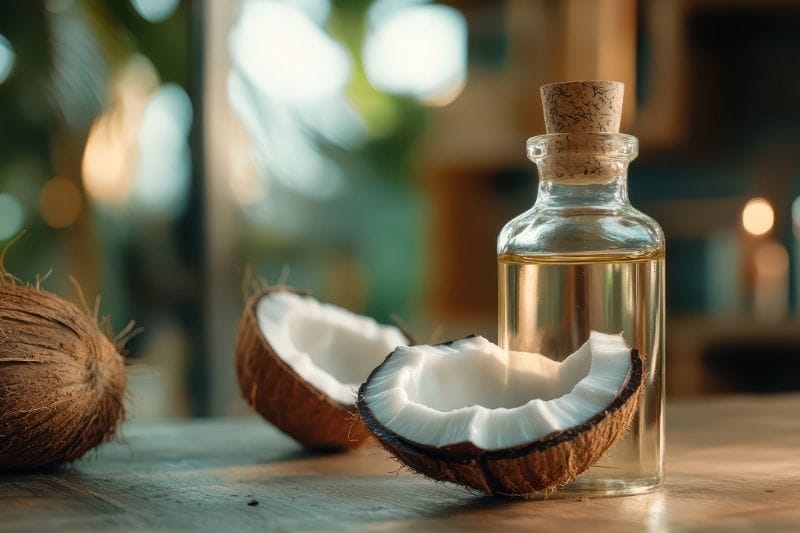
I decided to write this blog on MCT oil because I’ve had a few fat loss coaching and personal training clients ask me about it over the last few months. It seems to have popped up in the press again, and almost every time it comes up, the question is the same: can it help with hunger?
At the beginning of any diet, motivation is usually high and routines feel manageable. Hunger tends to creep in later, once the novelty wears off and the process becomes more repetitive. Meals stop feeling as satisfying, food is on your mind more often, and sticking to a calorie deficit starts to feel like hard work rather than a simple plan.
That is usually the point where people start looking for something to take the edge off. Not a miracle solution, but something that might make hunger quieter or help them feel fuller for longer. MCT oil is one of the things that gets suggested again and again, often framed as an appetite suppressant or a way to “hack” hunger.
Sometimes it helps. Sometimes it does very little. In some cases, it can even make fat loss harder. The difference usually comes down to how and why it is being used.
What MCT Oil Actually Is
MCT stands for medium chain triglycerides. MCT oil is a type of fat, most commonly derived from coconut oil or palm oil. It is digested and absorbed slightly differently to most other dietary fats, which is why it gets attention.
Because MCTs are processed more quickly by the body, they can be used as a relatively fast source of energy. This is why MCT oil originally appeared in clinical nutrition and endurance sport long before it became a weight loss trend.
What often gets lost in the marketing is that MCT oil is still food. It is pure fat. One tablespoon contains roughly 120 calories. That matters if weight loss is the goal.
Why Hunger Feels Harder For Some People
Before talking about whether MCT oil helps with appetite, it helps to zoom out. Hunger is not just a signal that you need food. It is influenced by a mix of physiology, habits and context.
In real life, hunger tends to feel louder when protein intake is low, fibre intake is inconsistent, sleep is poor, stress is high, or the diet feels overly restrictive. Two people can eat similar meals on paper and have very different experiences of hunger across the day.
This matters because supplements and add ons rarely fix hunger in isolation. They work, if they work at all, by supporting an already reasonable structure.
How MCT Oil Might Help With Appetite
Where MCT oil can sometimes help is by making meals feel more satisfying rather than switching hunger off. Fat slows digestion, which can help food sit longer and increase feelings of fullness after eating.
Some people also report steadier energy levels when they include a small amount of MCT oil with meals. Fewer energy dips can mean fewer cravings, particularly in the afternoon when snacking often shows up.
Where I suspect it helps most is when someone is already eating sensible meals but still feels that something is missing. They are not starving, but they never quite feel satisfied. In that situation, adding a small amount of fat can sometimes reduce grazing between meals.
That last point is key. Small amount.
This is one of the reasons MCT oil feels confusing in practice. Two people can use it in similar ways and get completely different outcomes. One finds hunger easier to manage. The other quietly stalls fat loss. Neither is doing anything wrong. They’re just responding differently to the same tool.
The Calorie Reality That Catches People Out
This is where MCT oil often causes confusion.
Because it is liquid and easy to add to coffee, smoothies or food, it is very easy to increase calorie intake without noticing. A tablespoon here and there does not feel like much, but it adds up quickly. Two tablespoons a day is around 240 calories. Over a week, that can completely wipe out a calorie deficit.
This is why some people feel that MCT oil helped their hunger but stalled their weight loss. Both can be true at the same time.
In practice, MCT oil works far better as a replacement rather than an addition. If it replaces a snack, a pastry, or something else that would have been eaten anyway, it may help. If it sits on top of an already full intake, it usually backfires.
Why MCT Oil Feels Confusing In Real Life
I see a few common patterns when people experiment with MCT oil.
Some people add it to coffee in the morning and find they are less interested in snacking until lunch. For them, it can be a useful tool.
Others add it to coffee, keep their usual snacks, add it to a smoothie later, and then wonder why weight loss has stalled. The hunger might feel quieter, but the calorie intake has quietly climbed.
Then there are people for whom it makes no noticeable difference at all. Hunger feels the same, appetite is unchanged, and the only real effect is digestive discomfort.
None of these outcomes are unusual.
What The Research Suggests
Research on MCT oil and appetite shows mixed results. Some small studies suggest it may slightly increase feelings of fullness or reduce food intake at later meals. Other studies show little difference compared to other fats.
The consistent theme is that any effect tends to be modest. MCT oil is not a powerful appetite suppressant. It does not override poor sleep, stress, low protein or fibre intake, or an overly aggressive calorie deficit.
In other words, it is not doing something magical behind the scenes. If it helps, it is usually by supporting basic physiology rather than bypassing it.
Digestive Side Effects And Tolerance
MCT oil is well known for causing digestive issues, especially when people start with too much. Stomach cramps, nausea and diarrhoea are common complaints.
Some people tolerate it well. Others do not tolerate it at all. If digestion is already sensitive, MCT oil can create more problems than benefits.
This is one of the reasons starting with very small amounts matters if someone decides to try it.
How To Use MCT Oil Sensibly If You Choose To Try It
If someone is curious about MCT oil, it is best treated as an experiment rather than a commitment.
A sensible approach usually looks like this:
- Start with a very small amount rather than a full tablespoon
- Use it with food rather than on its own
- Pay attention to whether hunger actually improves
- Make sure it replaces calories rather than adding extra
If hunger feels easier to manage and calorie intake stays controlled, it may be worth keeping. If hunger does not change or calories drift up, there is little reason to persist.
When MCT Oil Is Unlikely To Help
Again, MCT oil is unlikely to be the solution if the underlying issue is poorly structured meals. If protein is low, fibre is inconsistent, meals are irregular, or stress and sleep are unmanaged, appetite will usually be hard to control regardless of supplements.
In those cases, fixing the foundations almost always has a bigger impact on hunger than adding MCT oil.
What I Do Personally
When I am trying to lose weight myself, I do not personally use MCT oil. That is not because it is inherently bad or useless, but because for me, I would rather get my fat intake from whole food sources that feel more satisfying and easier to keep track of.
Foods like avocado, nuts, seeds or oily fish tend to work better for me. They come with volume, texture and nutrients, and I find they contribute more to feeling properly fed rather than just adding calories in liquid form.
I take a similar approach with protein shakes. I do use them occasionally, particularly for convenience, but I do not rely on them heavily when fat loss is the goal. Given the choice, I would usually rather eat something like a chicken breast, eggs or Greek yoghurt. The volume of food is higher, it takes longer to eat, and it keeps me fuller for longer than drinking the same calories in a shake.
That is just my personal preference, not a rule. Some people genuinely find liquid calories helpful. Others do not. I also have not had many clients use MCT oil consistently enough to recommend it as a solution either way. As with most supplements, individual response matters more than theory.
Need Help With Hunger?
MCT oil is not a fix for hunger. For some people, used carefully and in the right context, it can make meals feel more satisfying and reduce snacking. For many others, it adds calories without solving the real problem.
If hunger is the main barrier to weight loss, the most effective levers are still enough protein, enough fibre, sensible calorie targets and routines that feel realistic rather than punishing. Supplements sit at the edges of that picture, not at the centre of it.
If hunger is something you’re regularly battling with, this is exactly the kind of issue I help people work through as part of my online weight loss coaching, focusing on practical changes that actually fit around real life rather than quick fixes.
Medical Disclaimer
This article is for general educational purposes only and does not replace personalised medical or nutritional advice. If you have a medical condition or are considering supplements, speak to a qualified healthcare professional before making changes.