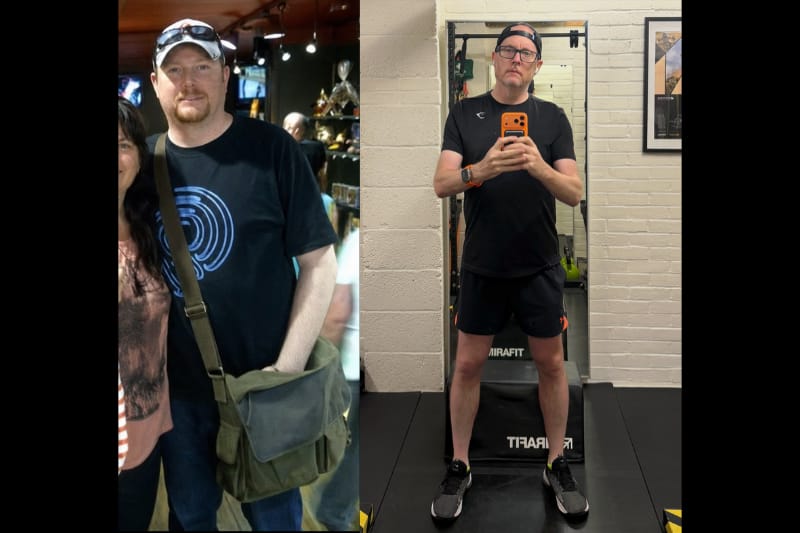
One of the biggest parts of my job as a weight loss coach and accountability coach is helping people not give up too early.
When someone starts a diet the scales often move quickly in the first week or two. That early drop feels encouraging and motivating. Clothes might feel looser, energy improves, and it suddenly feels like everything is working exactly as it should.
The problem is that this pace rarely continues forever without adjustments, and people often give up rather than adjust.
After a few weeks or months weight loss can slow down or stop. For many people this is the moment where doubt creeps in. They assume something has gone wrong, that their diet has stopped working, or that their body is somehow different from everyone else.
Sooner or later most people ask the same question: why does weight loss slow down?
Understanding why makes a huge difference psychologically. If you expect weight loss to slow down at some point (and you know that you can do something about it), you are far less likely to panic or abandon the process when it happens.
What Weight Loss Often Looks Like Over Time
Although everyone is different, weight loss often follows a similar pattern.
- Weeks one to two: the scale often drops quickly. Much of this change comes from water loss, glycogen depletion, and reduced food volume in the digestive system.
- Weeks three to six: progress usually slows a bit but continues steadily. Fat loss becomes the main driver of weight change rather than water loss.
- After a couple of months: weight loss can slow further, and some people begin to experience periods where the scale barely moves for a while.
- Later stages: occasional plateaus can appear as the body adapts and energy needs gradually fall or the weight loss just stops completely.
This pattern can feel frustrating if you expect the same results every week. In reality it reflects how the body adjusts to sustained dieting rather than something going wrong.
Why Weight Loss Is Often Fast in the First Week or Two
The quick drop that many people see at the beginning of a diet is rarely pure body fat loss. A large part of it comes from changes in stored carbohydrates and water balance.
Your muscles store carbohydrates in the form of glycogen. Glycogen binds to water, so when you reduce calorie intake or eat fewer carbohydrates your glycogen stores fall and some of that water is released. The result is a noticeable drop on the scale.
People also tend to eat less processed food, less salt, and smaller overall portions when they begin dieting. That often reduces bloating and the amount of food sitting in the digestive system.
This is why people often see a fast drop in the first week to 10 days of starting a keto diet for example, as keto is low carb so you can drop a lot of water weight at that start. The same is true for other types of diets though too.
Put all of these changes together and the scale can move quickly during the first couple of weeks. It feels encouraging, but it is important to understand that this phase cannot continue indefinitely.
Why Weight Loss Slows Down After the First Few Weeks
Once the initial water changes settle, fat loss becomes the main driver of progress. Fat loss simply happens more slowly than water loss, which is why the numbers on the scale begin to move at a gentler pace.
At this stage many people assume their diet has stopped working. In reality the body has simply moved beyond the early adjustment phase.
Weight loss is still happening, but it is happening at the speed that body fat can realistically be lost rather than the faster changes caused by water balance. This is why someone might lose several pounds in the first week but only lose one pound the following week.
This is completely normal.
Your Body Burns Fewer Calories As You Lose Weight
Another reason weight loss slows over time is that a smaller body requires fewer calories.
As body weight drops, your daily energy needs gradually fall as well. Moving around requires slightly less effort and maintaining body tissues requires slightly less energy. That means the calorie deficit that produced fast early results can gradually become smaller.
For example:
- A heavier body burns more calories during everyday activity
- A lighter body requires fewer calories for maintenance
- The same diet can slowly create a smaller calorie deficit over time
This is why understanding the idea of a calorie deficit becomes important during a longer weight loss journey. As body weight changes, energy needs change as well – some people call this metabolic adaptation or starvation mode.
Why the Scale Does Not Move in a Straight Line
Weight loss would be far easier psychologically if the scale moved in a perfectly smooth downward line, but the human body simply does not work that way. Day to day weight changes are heavily influenced by water retention and normal biological fluctuations.
Salt intake, sleep quality, stress levels, hormonal shifts, digestion and exercise can all affect how much water your body holds onto from one day to the next. A tough workout can cause temporary inflammation in the muscles which leads to water retention while the body repairs itself. Even something as simple as a salty meal or a poor night’s sleep can push the scale up for a day or two.
This is why people often experience periods where the scale appears stuck before dropping again later. Some people refer to this pattern as the stall and whoosh effect, where weight holds steady for a while and then suddenly falls once water balance shifts.
Whether that explanation is perfect or not, the main point remains the same. Scale weight is influenced by many factors besides body fat, which is why short term fluctuations are completely normal. If daily fluctuations upset you, I would recommend you don’t weigh yourself daily.
When a Slowdown Becomes a Plateau
A slowdown and a plateau are not quite the same thing, although they are often confused. A slowdown simply means weight loss is still happening but at a gentler pace than it was at the beginning.
A plateau usually refers to a period where body weight stays roughly the same for several weeks despite sticking to your usual habits. When this happens it can feel frustrating because it creates the impression that your diet has stopped working entirely.
In many cases the explanation is fairly simple. As body weight drops your calorie needs fall slightly as well, which means the calorie deficit that worked earlier may no longer be as large as it once was. Small changes in habits can also creep in over time without us noticing.
If you want more detailed ideas on how to approach this situation you can read my article on breaking through a weight loss plateau, where I go into practical strategies for restarting progress.
When Weight Loss Is Not Happening At All
Occasionally someone follows a plan for several weeks and genuinely sees no change in body weight at all. When that happens it is worth stepping back and examining the bigger picture rather than assuming the diet itself is broken.
Calorie intake is often the first place to look. Many people underestimate how much they are eating or overestimate how many calories they burn through exercise. Sleep, stress and medications can also play a role, and hormonal changes such as menopause can sometimes make progress slower.
It is also possible for water retention and normal daily fluctuations to hide fat loss temporarily. The scale does not always reflect what is happening underneath.
I explore these situations in more detail in my article explaining why you might not be losing weight, where I break down the most common causes.
What To Do When Weight Loss Slows Down
When progress slows the worst thing you can do is panic.
People often react by slashing calories dramatically or adding large amounts of exercise overnight. That approach is rarely sustainable and often leads to burnout. In most cases the better approach is to stay consistent with the habits that created progress in the first place:
- Keep calorie intake consistent
- Stay active and maintain regular movement
- Prioritise sleep and recovery
- Track trends over several weeks rather than individual weigh ins
Weight loss rarely fails because progress slows. It usually fails because people abandon the process when the rate of progress changes.
The Bigger Picture
Fast early weight loss can feel exciting, but it is not the most important part of the journey. What matters far more is whether the habits you build are sustainable over months and years.
Most successful weight loss journeys follow a similar pattern. A quick early drop, a slower middle phase, and occasional stalls along the way. The people who succeed are not the ones who avoid those moments. They are the ones who expect them and keep going anyway.
Understanding why weight loss slows down removes a lot of unnecessary stress from the process. Instead of assuming something has gone wrong, you can recognise it as a normal stage of progress and make adjustments so that you keep losing weight.
And if you would like help navigating those stages and staying consistent when motivation dips, working with an online weight loss and accountability coach can help you build a realistic plan and keep moving forward.