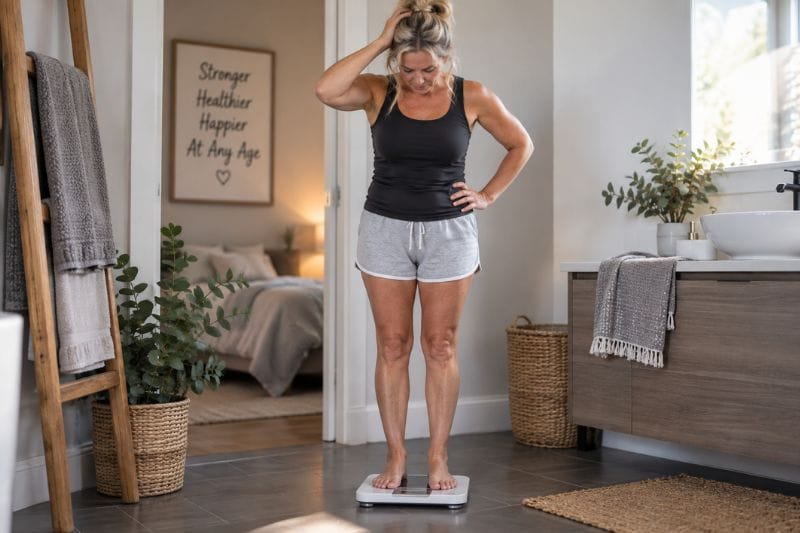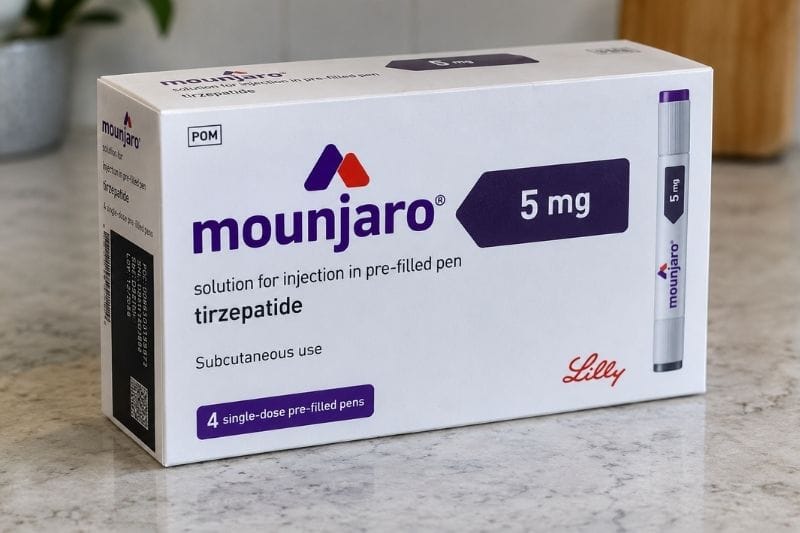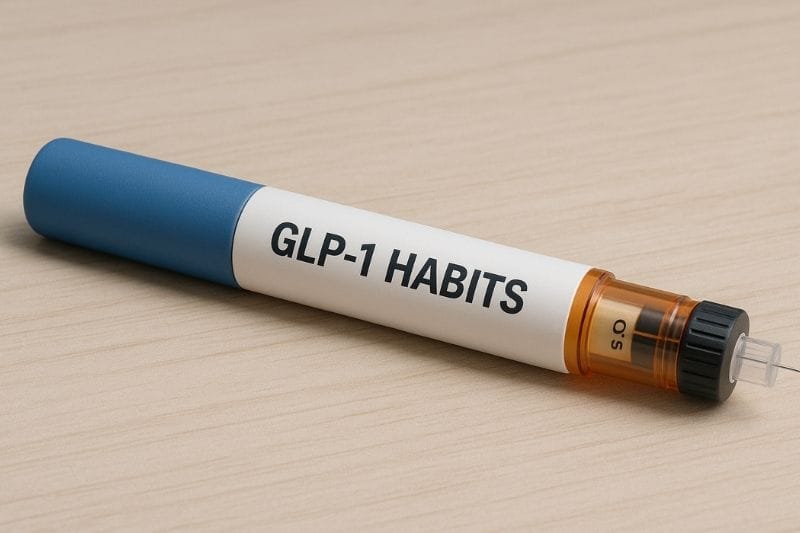
Habits are something I work on a lot as a weight loss coach with my clients. But can you build long term habits while on weight loss injections? Yes you can. GLP-1 medications reduce appetite and help you control portions, but that alone does not guarantee lasting results. So it is important to embed habits that will support you for years to come when you stop using the jabs.
In this blog I will look at how to build eating and exercise routines that stick, so the results last long after the injections stop.
Why Habits Matter More Than Willpower
Most people assume that losing weight comes down to discipline. You simply need to be stricter, push harder, and resist temptation. The problem is that willpower is unreliable. It is like running down your phone battery, eventually it runs flat. That is why diets that rely on restriction alone are difficult to maintain long term.
Habits work differently. They are the behaviours you repeat until they become automatic. You brush your teeth, lock the door, and make coffee without thinking. If you create the same kind of automatic patterns around food and exercise, you do not need to fight yourself every day. Weight loss injections help because it reduces the pull of cravings, giving you a window to lock those habits in place.
Using GLP-1 as a Window of Opportunity
When hunger is constant, forming new routines is harder. GLP-1 lowers appetite, so it becomes easier to practise smaller portions and say no to snacks. Think of this period as practice, not just treatment. It is not only about losing weight while the injections are working, it is about preparing yourself for life after. If you get used to healthier shopping lists, regular mealtimes, and consistent activity now, those habits will feel normal later.
For example, if you are trying to reduce takeaways, this is the perfect time to test simple home cooked meals. If you struggle with late night snacking, try a cup of tea instead and see how it feels. The more you practise, the easier these behaviours will feel when appetite returns to normal.
Building Nutrition Habits That Stick
Food choices shape long term weight control. Instead of only avoiding certain foods, focus on building positive routines. A useful guide is the plate method, filling half with vegetables, a quarter with protein, and a quarter with carbohydrates. This keeps portions balanced without measuring every bite.
Protein should always be a focus. It helps you feel full and protects muscle while losing weight. That might mean scrambled eggs at breakfast, a chicken salad or bean dish at lunch, and lean meat or fish with vegetables in the evening. With repetition, these choices become second nature.
Hydration is another habit that often goes unnoticed. Many people mistake thirst for hunger. Keeping a bottle of water nearby or having a glass before meals helps prevent unnecessary snacking and supports energy levels.
Portion awareness also matters. Serve meals onto plates rather than eating straight from the packet, use smaller plates if needed, and pause before deciding whether you want seconds. These subtle changes, repeated consistently, create a natural control system against overeating.
Embedding Exercise Into Routine
Exercise works best when it is part of your routine, not a punishment. Start with manageable goals. Two short walks a week can make a difference. If you already like the gym, stick to two consistent sessions rather than overloading yourself – then build from there.
Habit stacking helps. Link new habits to old ones. Walk after your morning coffee, or stretch while watching TV. These links remove the mental effort of remembering.
Scheduling matters too. Put workouts in your diary the same way you would a work meeting. The consistency of showing up is more important than the intensity at first.
Most importantly, choose activities you like. If you hate running, do not run. If you enjoy swimming, walking, or cycling, do those. Enjoyment makes exercise sustainable.
Mindset Shifts That Help
Identity drives behaviour. Instead of saying “I am trying to eat better,” shift to “I am someone who makes healthy choices.” Instead of “I am trying to exercise,” think “I am an active person.” This reframe makes your new behaviours part of who you are, not temporary actions.
Tracking helps reinforce this. Mark workouts on a calendar, write down home cooked meals, or note when smaller portions felt satisfying. Seeing your progress build is motivating.
Above all, remember GLP-1 is a tool. The injections give you space to learn. The habits you practise now are the real key to long term success.
How Coaching Can Help
If you are on GLP-1 and want to make sure the results last, building the right habits is essential. As a weight loss coach I help people turn short term changes into long term routines with practical nutrition strategies and exercise plans that actually fit into busy lives. If you want guidance on how to use your time on GLP-1 to create a lifestyle that lasts, find out more about my weight loss coaching.
Other Blogs You Maybe Interested In
- If you want to learn how to protect your results afterwards, read How to Keep Weight Off After GLP-1 Injections.
- If you are also active or thinking about training alongside medication, check out GLP-1 and Weight Loss for Athletes and Gym Users.
- For support with food quality while using injections, see How to Get Enough Nutrients on GLP-1 Injections.
FAQs
Do habits matter if GLP-1 is reducing my hunger?
Yes, because GLP-1 only helps while you use it. Habits are what protect your results afterwards.
What is the best first step with food?
Start with balanced meals and protein at every meal. These two habits improve satiety and stop constant snacking.
How long does habit building take?
Consistency for weeks or months makes routines automatic. The timeline is less important than the repetition.
Do I need to count calories on GLP-1?
You can if it helps, but the long term goal is to learn portion awareness and balanced eating without relying on tracking forever.
What if I relapse into old behaviours?
Reset as soon as you notice. A single slip does not undo progress. Focus on consistency over perfection.