Intermittent fasting for weight loss works for some people because it shortens the eating window, which often reduces overall calorie intake without obsessively tracking everything. It is not magic, it does not override calories, and it is not required for fat loss. The most common schedule is 16:8, where you fast for 16 hours and eat within an 8-hour window. It can be healthy if done sensibly, but it is not suitable for everyone.
In my own weight loss coaching, I do not make anyone intermittent fast. It is not a rule, it is not a requirement, and it is not something I push as “superior”.
Personally, I prefer spreading my food out across the day because it suits my training and energy levels. That said, I have worked with plenty of clients who prefer intermittent fasting. Some like having bigger meals in the evening. Some feel less hungry when they skip breakfast. A few are drawn to the potential health benefits. Like most things in nutrition, it is a tool. Whether you use it depends on your lifestyle, your psychology and your goals.
What Is Intermittent Fasting?
Intermittent fasting is not a specific diet. It is an eating pattern. Instead of focusing on what you eat, it focuses on when you eat. You restrict your eating to a defined window each day or week and fast outside of that window.
The most common form is time restricted eating, such as 16 hours fasting and 8 hours eating. Many people achieve this simply by skipping breakfast and eating between midday and 8pm. Others stop eating earlier in the evening and eat from 9am to 5pm. The structure varies, but the principle is the same.
It is important to understand that intermittent fasting does not bypass calorie balance. If you eat more calories than you burn inside your eating window, you will still gain weight. If you eat fewer than you burn, you will lose weight. The fasting window just changes how you distribute those calories.
Does Intermittent Fasting Work for Weight Loss?
A study published last week by the Cochrane Database of Systematic Reviews into intermittent fasting found that intermittent fasting may result in little to no difference in weight loss when compared to other types of diets.
This doesn’t mean it doesn’t work though. Intermittent fasting can work for weight loss – so the real question is when and why it may work.
For many people, reducing the eating window naturally reduces snacking. If you used to graze from 7am until 10pm and you now eat from 12pm to 8pm, that is four fewer hours of potential calorie intake. Fewer opportunities to eat often means fewer calories consumed.
It can also make dieting feel psychologically easier. Some people prefer having two or three larger meals rather than five smaller ones. They feel more satisfied. They feel less like they are constantly thinking about food. That alone can improve adherence.
However, it does not work for everyone. I have seen people skip breakfast, feel virtuous all day, then raid the fridge at 9pm because they are ravenous. I have also seen people under eat during the day and then convince themselves that a huge takeaway “doesn’t count” because they fasted earlier. In those cases, intermittent fasting does not help. It just shifts the problem to later.5
The method works if it helps you maintain a consistent calorie deficit. It fails if it turns into a binge and restrict cycle.
Intermittent Fasting Schedule Options
Clients often ask me about “intermittent fasting schedules” for a reason. People want clarity and overthink this bit. Here are the main approaches:
16:8 Intermittent Fasting
This is the most common schedule. You fast for 16 hours and eat within an 8-hour window. For example, eating from 12pm to 8pm. It is popular because it fits easily into modern life and does not require extreme restriction.
14:10
A softer version. Fast for 14 hours, eat within 10. This can be a better starting point if 16 hours feels aggressive.
5:2 Diet
Eat normally five days per week and significantly reduce calories on two non-consecutive days. This is less about daily time restriction and more about weekly calorie structure.
OMAD
OMAD is short for One Meal a Day. It sounds simple but is often hard to sustain. It can also make it difficult to hit protein targets or fuel training properly. For most active people, it is not ideal.
The best schedule is the one you can stick to without feeling constantly deprived.
How To Intermittent Fast Properly
If you are going to try intermittent fasting, it needs structure. This is where a lot of people go wrong. The fasting window is only one part of the equation. What you eat, how much you eat and how it fits around your training still matter.
Keep these principles in mind:
- Keep protein high. This protects muscle mass and helps control hunger, especially if you are in a calorie deficit.
- Build balanced meals. Do not break your fast with a pastry and a coffee and call it healthy. Include protein, fibre, carbohydrates and some healthy fats for a balanced plate.
- Hydrate properly. Water, black coffee and tea are fine during the fasting window. Sugary drinks are not.
- Do not treat the eating window as a free for all. The quality and quantity of your food still determine results.
- Think about training timing. If you lift heavy at 7am but do not eat until midday, that might not be optimal long term. Fuel should support performance.
Intermittent fasting works best when it is calm and structured, not when it becomes a badge of honour for how long you can go without eating.
Is Intermittent Fasting Healthy?
This is where it starts getting a bit silly online.
There are claims online about improved insulin sensitivity, cellular repair, autophagy, inflammation reduction and even disease prevention. Some early research suggests potential benefits in metabolic health markers. There are studies showing improvements in insulin sensitivity and blood sugar control in certain populations. There is also research looking at time restricted eating and circadian rhythm alignment.
But context matters.
Many of these improvements also occur with general calorie restriction, weight loss and improved diet quality. It is not always clear whether the benefit comes from the fasting window itself or simply from eating fewer calories and losing body fat.
For most people reading this, the biggest impact of intermittent fasting is behavioural. It simplifies eating. It reduces decision fatigue. It removes late night snacking. That alone can improve metabolic markers because overall intake drops and body weight improves.
That does not make it a miracle protocol.
If intermittent fasting helps you control calories, reduce mindless eating and feel in control, it can absolutely be part of a healthy lifestyle.
If it increases stress, disrupts sleep, makes you obsess about food or leads to huge evening binges, it is not healthy for you.
It is not suitable for everyone. People with a history of disordered eating should be cautious. Pregnant women should avoid it. Anyone with diabetes, PCOS or other metabolic conditions should speak to a GP before attempting more aggressive fasting structures.
Healthy does not mean superior. It just means appropriate for you.
Intermittent Fasting And Exercise
This is where context matters.
For strength training, especially if your goal is building or maintaining muscle, protein timing matters. Training fasted is not automatically bad, but repeatedly lifting heavy without fuelling properly can affect performance and recovery. If your eating window is too narrow, you may struggle to consume enough protein and total calories.
For runners and cyclists, easy Zone 2 sessions can sometimes be done fasted without issue – although more recent research suggests this may not be good for women. Hard interval sessions are different. High intensity work relies heavily on glycogen. If you consistently underfuel those sessions, pace drops and recovery suffers.
I have also seen the opposite problem. Some people train hard in the morning, do not eat until midday, then overeat in the evening because hunger builds up all day. That can quietly erase the calorie deficit they thought they had created.
Match your nutrition to your training demands. Do not blindly follow a schedule because it is trending.
Intermittent Fasting And GLP-1 Medications
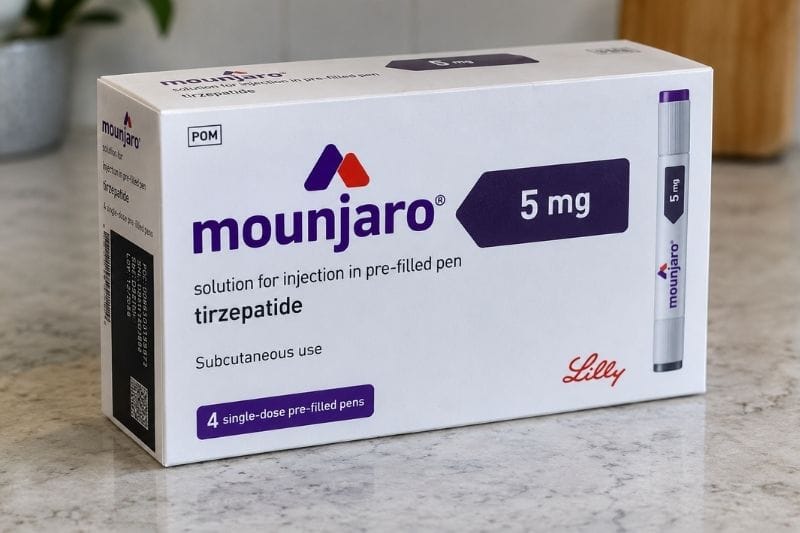
An interesting pattern I have seen with some clients on GLP-1 medications is that they effectively intermittent fast by accident. Hunger is reduced, breakfast disappears and they end up eating two meals per day without consciously choosing a fasting protocol.
That can work, but it also carries risk. Protein intake can fall. Total calories can become very low. Energy for training can drop. Structure still matters. Even if appetite is suppressed, your body still needs nutrients.
Intermittent fasting on medication is not inherently better. It is simply another pattern that needs monitoring.
How Long Does Intermittent Fasting Take To Work?
People often ask me how long it takes to see results.
You may see a quick drop on the scale in the first week, especially if carbohydrate intake changes and glycogen stores reduce. After that, fat loss follows the same rules as any other method. If you are in a consistent calorie deficit, you will lose weight gradually.
Do not expect dramatic changes in days. Think in terms of weeks and months. The schedule does not speed up fat loss beyond what your calorie deficit allows.
Common Mistakes With Intermittent Fasting
Most problems with intermittent fasting are not about the fasting window. They are about behaviour inside it.
Here are the most common mistakes I see:
- Making the eating window too small and then overeating late at night because hunger has built up all day.
- Drinking high calorie drinks during the fasting period and assuming it does not count.
- Undereating protein, which leads to poor satiety and muscle loss during a deficit.
- Training hard but refusing to adjust the fasting window to support recovery and performance.
- Believing fasting cancels out poor food choices. It does not.
It simplifies timing. It doesn’t fix messy habits.
FAQs
Does Intermittent Fasting Work For Weight Loss?
Yes, it can work if it helps you maintain a calorie deficit. It works through behaviour, not magic. There is no secret fat burning switch that only activates at hour 15. If shortening your eating window reduces snacking and mindless eating, it can be effective. If it leads to overeating later, it will not help.
What Is The Best Intermittent Fasting Schedule?
The most popular schedule is 16:8, but the best schedule is the one that fits your life. Some people do better with 14:10. Others prefer the 5:2 approach. Sustainability matters more than whether it’s 14 hours, 16 hours or whatever the internet is arguing about this week.
Is 16:8 The Best Method For Weight Loss?
It is popular because it is practical. That does not make it superior. If skipping breakfast suits you and does not affect your energy or training, it can work well. If you feel drained or obsessed with food by mid-morning, it may not be ideal.
How Long Does Intermittent Fasting Take To Show Results?
You might see scale changes within the first week, often due to water shifts. Meaningful fat loss depends on your overall calorie intake and consistency. Think weeks and months, not “I tried it for five days and nothing happened.”
Can You Drink Coffee During Intermittent Fasting?
Black coffee and plain tea are generally fine during the fasting window. Once you add milk, sugar or syrups, you are technically breaking the fast. The bigger issue is not purity. It is whether those additions push you over your calorie needs.
Is Intermittent Fasting Healthy Long Term?
For many people, yes, if meals are balanced and nutrient intake is adequate. It becomes unhealthy if it leads to chronic under eating, stress or obsessive behaviour. Health is about the whole picture, not just the clock.
Can You Exercise While Intermittent Fasting?
Yes, but you need to be sensible. Easy sessions are sometimes fine fasted. High intensity or heavy strength sessions may benefit from fuelling beforehand. Pay attention to performance and recovery rather than blindly following the clock.
Is Intermittent Fasting Good For Women?
Some women find it helpful. Others find it disrupts energy and appetite regulation, especially around hormonal fluctuations. It is not inherently better or worse for women. Individual response matters.
Does Intermittent Fasting Slow Your Metabolism?
Short fasting windows like 16 hours do not “damage” your metabolism. Your body is not that fragile. However, chronically under eating can reduce energy expenditure over time. That is about calorie intake, not the fasting method itself.
Can You Build Muscle While Intermittent Fasting?
It is possible, but more challenging if your eating window is very small. Hitting adequate protein and total calories becomes harder. For serious muscle gain, spreading intake across the day is often easier.
Intermittent Fasting: Worth It or Not?
Intermittent fasting is a tool. It is not compulsory and it is not superior. If it fits your life and helps you control calories without feeling miserable, it can work. If it adds stress or leads to extremes, there are other ways to lose weight.
If you want help finding an approach that suits your training and lifestyle my online weight loss coaching focuses on building something sustainable rather than chasing trends. And if you are training seriously and want to balance performance with body composition, my online personal training package with nutritional support gives you structure without overcomplicating things.
Medical Disclaimer
This article is for general educational purposes only and does not replace personalised medical advice. If you have medical concerns or are considering changes to medication or exercise, speak to a qualified healthcare or fitness professional.