Caffeine is something many people turn to when they want more energy, more focus and more control of their appetite. It is something that often comes up in conversation with both my weight loss coaching and online personal training clients.
Caffeine is in coffee, tea, energy drinks, tablets and pre workout powders. Because it feels powerful, many people assume it must support weight loss. Some believe caffeine speeds up metabolism. Others think it helps burn fat or suppress appetite. There is a little truth in these ideas, but not in the way people expect.
This blog explains how caffeine affects weight loss in a simple, realistic way. It answers the questions people ask me most often as a coach, including whether caffeine helps you lose weight, whether it boosts metabolism, whether it burns fat and whether it suppresses appetite. It also explains how caffeine affects sleep, hunger and cravings, all of which play a major role in weight loss even if people do not connect them together.
How Caffeine Influences Weight Loss
People often assume caffeine helps with weight loss because they feel more awake and less hungry after drinking coffee. Caffeine can support weight loss, but the effect is indirect. It does not cause fat loss on its own. Instead, it influences behaviour. If caffeine helps you move more, train better or manage your appetite, then it can support a calorie deficit. If caffeine makes you anxious, disrupts your sleep or increases cravings later in the day, then it can make weight loss harder.
The impact is personal. Some people find that caffeine helps them make better decisions around food because they are more alert and less driven by tiredness. Others find that caffeine delays eating for too long, which then leads to overeating later. Caffeine itself is not a weight loss tool. It is something that can either support or hinder progress depending on how you use it.
Does Caffeine Speed Up Metabolism?
People often ask me whether caffeine speeds up metabolism. Caffeine can increase metabolism slightly, but the effect is smaller than people think. When you consume caffeine, your metabolic rate increases for a short period. This increase is usually modest. It might add a small number of extra calories burned across the day. It is not enough to cause meaningful weight loss on its own.
This is why relying on caffeine for fat loss does not work. Even if your metabolism increases temporarily, the effect fades quickly and does not compensate for overeating or poor sleep. The helpful part of caffeine is not the metabolic boost. It is how it can affect energy, motivation and appetite which may support better habits.
Some people misunderstand the research around caffeine and metabolism. Laboratory studies often show interesting effects, but those effects do not translate into significant fat loss in real life. The human body adapts. Tolerance builds. The metabolic effect becomes smaller over time. This is why caffeine should be seen as a behavioural support tool rather than a metabolic one.
One reason caffeine has this effect is through a process called thermogenesis. This is essentially the body producing heat. When you consume caffeine, your body temperature rises slightly and you burn a few more calories to maintain that heat. It is a real biological process, but the actual impact on your daily calorie burn is very small. Your body is also clever at reaching a state of balance, meaning if you rely on caffeine every day, this heat-producing effect tends to settle down and becomes even less significant.
Does Caffeine Burn Fat?
Another common question is whether caffeine burns fat. Caffeine can increase fat oxidation, which means the body uses a higher percentage of fat for fuel during certain activities. This can sound like fat burning, but it does not guarantee fat loss. Fat loss happens when you consistently use more energy than you consume. Fat oxidation is simply the type of fuel the body is using at a moment in time.
People sometimes believe that drinking coffee before exercise will burn more fat. Caffeine can make exercise feel easier, which can help you train harder or for longer. This can support fat loss indirectly. The caffeine itself is not burning fat. It is improving performance or reducing perceived effort which might help you burn more calories overall. That is where the real benefit lies.
It is worth separating the idea of using fat as fuel and losing body fat. They are not the same thing. You can burn fat during exercise and still not lose body fat if your total calorie intake is higher than your needs. Caffeine may support activity, but it does not cause fat loss independently.
Does Caffeine Suppress Appetite or Help you Eat Fewer Calories?
People often ask me whether caffeine suppresses appetite. Caffeine can reduce hunger for a short time, especially when consumed in the morning. Many people notice they feel less hungry after their first coffee of the day. This can be helpful for spacing meals or reducing mindless snacking. Because caffeine can change appetite and mood, it often does reduce calorie intake throughout the day.
However, appetite suppression is temporary. For many people caffeine increases hunger later in the day. If caffeine delays breakfast or reduces food intake early on, hunger can rebound strongly in the afternoon or evening. This rebound hunger can lead to overeating or cravings for quick energy foods. People sometimes blame discipline when this is partly caused by their caffeine pattern.
Caffeine also influences cravings through stress hormones. For some people caffeine creates a sharper focus that reduces emotional eating. For others it increases tension which leads to cravings. The effect is different from person to person. The best approach is to notice how caffeine affects your own hunger and adjust your timing accordingly.
How Caffeine Affects Sleep and Why That Matters for Weight Loss
Sleep plays a major role in hunger and weight regulation. Poor sleep increases hunger hormones and reduces fullness hormones. This makes people hungrier the next day regardless of how much they eat. When caffeine disrupts sleep, even slightly, it can create a cycle where fatigue increases appetite and cravings.
Even if you fall asleep easily, caffeine can reduce the quality of sleep. It can reduce deep sleep, increase wakefulness and make rest feel less restorative. If you regularly wake feeling tired, caffeine may be part of the reason even if you do not feel its effects late in the day.
This happens because of something called a half-life. For most people, caffeine has a half-life of around five to six hours. This means if you have a strong coffee at 4:00PM, half of that caffeine is still active in your system at 10:00PM when you are trying to wind down. Even if you feel like you can sleep after caffeine, the presence of the stimulant in your bloodstream keeps your brain from entering the deep, restorative stages of sleep that are so important for recovery and managing hunger the following day.
Timing matters. For most people stopping caffeine by early afternoon improves sleep quality. Some people need to stop earlier depending on how quickly they metabolise caffeine. Better sleep supports better appetite control. This often leads to easier weight loss even if nothing else changes.
How Much Caffeine Is Helpful for Weight Loss?
There is no perfect amount of caffeine for weight loss. What matters is how your body responds. Small to moderate amounts can help with focus and appetite control. Too much can increase anxiety, disrupt sleep or lead to overeating later.
Helpful ranges for most people fall between 100mg and 300mg per day. This is one to three coffees depending on strength. Increasing above this rarely provides more benefit and often makes sleep worse. People who are sensitive to caffeine may need far less. People who sleep poorly are better avoiding caffeine later in the day altogether.
Caffeine should support your routine, not dominate it. If you find yourself relying on caffeine to feel normal, or if you feel jittery, irritable or wired, reducing your intake may help. Many people feel more stable and more in control once they reduce caffeine and improve sleep.
Best Caffeine Sources for Weight Loss?
The best caffeine source is the one that supports your goals without adding extra calories or causing side effects.
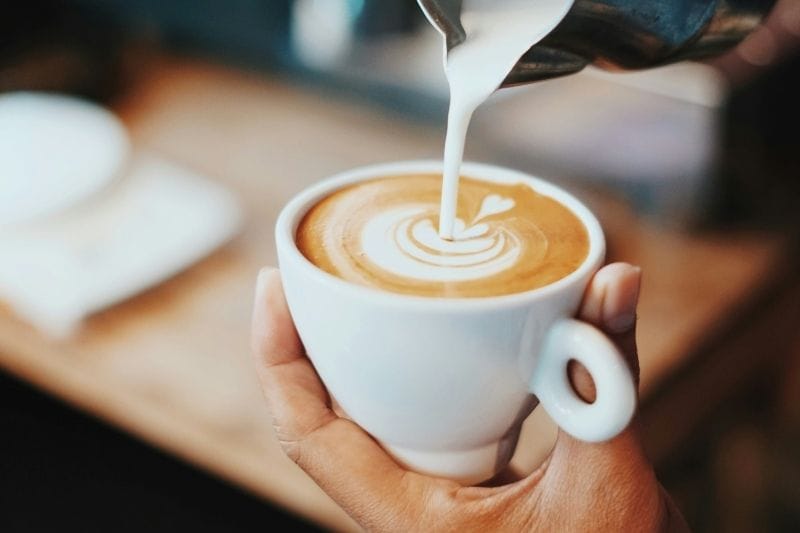
Coffee is the most common choice. It is low in calories unless you add milk, sugar or syrups. Tea contains less caffeine but can be easier to tolerate for people who are sensitive.
Caffeine tablets offer a predictable dose and are useful for people who want control without drinking large volumes – although I am not a fan of people using these. Low calorie energy drinks can work if you prefer cold drinks, but they often contain other stimulants that may affect how they feel. Pre workout drinks usually contain a large dose of caffeine along with other compounds. These can be useful before training sessions but may not be ideal for daily use as they often cause rebound hunger.
The key is to choose a source that fits with your appetite and sleep patterns. Consistency matters more than the specific source.
A Personal Note: How I Use Caffeine as a Coach
I am not a massive coffee drinker myself. I typically have one coffee a day and perhaps two cups of tea. I have to be quite careful because I am very sensitive to stimulants; high-street takeaway coffees, in particular, can easily affect my sleep or make me feel a bit anxious if I am not mindful.
Because of this sensitivity, I have never personally used caffeine as a dedicated weight loss tool. However, I do find it to be a very useful performance tool. If I am heading out for an early morning run, a bike ride or a gym session and feel a little low on energy, that single coffee gives me a significant boost because my body isn’t over-exposed to it.
What works for me might not necessarily be the right approach for you, and that is the beauty of the human body. We all have different tolerance levels and metabolic rates. The goal is to experiment safely and find the exact balance that supports your energy without crashing your sleep.
Frequently Asked Questions
Does caffeine help lose belly fat?
Caffeine does not target belly fat. Fat loss happens across the whole body based on your overall calorie balance. Caffeine may support activity but does not remove fat from specific areas.
Is coffee or tea better for weight loss?
Both can support weight loss. Coffee contains more caffeine, which some people find helpful for appetite control. Tea is gentler for those who are sensitive.
Should I drink caffeine before a workout to lose weight?
Caffeine before exercise can improve perceived effort which may help you train better. This supports weight loss indirectly. The caffeine itself does not burn fat.
Should I avoid caffeine during a calorie deficit?
You do not need to avoid caffeine. You may need to adjust your timing and amount to avoid hunger swings or sleep disruption.