Losing the baby weight is one of the most common things new mums ask me about, and it usually comes with a lot of pressure attached. Social media is full of people who seem to be back in their jeans a few weeks after giving birth, while you’re running on three hours of sleep and eating toast over the sink. If that sounds familiar, you’re very much in the majority.
As a weight loss coach, I work with plenty of women who have had children, some a few months ago and some a few years ago. Postpartum weight loss follows the same basic principles as any other fat loss, but the circumstances around it are completely different. Your body is recovering, your sleep is broken, you may be breastfeeding and your time is no longer your own. A plan that ignores all of that isn’t going to last very long.
In this blog I’ll go through what happens to your weight after giving birth, when it’s OK to start trying to lose weight, what to consider if you’re breastfeeding, how long it realistically takes and some practical tips that fit around life with a baby.
TL;DR Blog Summary
- You’ll lose a fair amount of weight in the first couple of weeks after birth, mostly from the baby, placenta and extra fluid. The rest usually takes much longer.
- Give yourself time to recover first. It is recommended you wait until at least after your 6 to 8 week postnatal check before actively trying to lose weight, and longer after a C-section or a difficult birth. It is important to remember though there is no definitive timetable, and you can start as late as you like.
- A realistic timeline is months rather than weeks. Many women are still working on it at six months or a year, and that’s completely normal.
- If you’re breastfeeding, stick to a modest calorie deficit rather than an aggressive one, prioritise protein and drink plenty of fluids.
- Focus on simple, repeatable habits: protein at each meal, easy food you can grab, walking, getting back to strength training when you’re ready, and as much sleep as you can realistically get.
- Weight loss injections aren’t recommended while breastfeeding. Speak to your GP first if you’re considering them.
What Happens to Your Weight After Giving Birth?
You’ll lose weight quite quickly straight after giving birth. Some of that is obvious (the baby, the placenta and the amniotic fluid), and over the first week or two your body also gets rid of a lot of the extra fluid it held on to during pregnancy. That’s why the scale often drops noticeably in the early days, and also why it then tends to slow right down.
What’s left after that is mostly the extra body fat your body stored during pregnancy. That’s completely normal and it has a purpose, partly to support breastfeeding. It’s also the part that takes time, and the part that most people mean when they talk about losing the baby weight.
A few other things are going on in those early months too. Your uterus is gradually returning to its normal size, your hormones are settling, your abdominal muscles and pelvic floor are recovering and your periods may or may not have returned. All of these can affect how your body looks and how the scale behaves, so I wouldn’t read too much into the numbers in the first few weeks.
When Is It OK to Start Postpartum Weight Loss?
The first few weeks after giving birth should be about recovery, feeding your baby and getting through each day, not about calories. Your body has been through a lot, and trying to diet while you’re recovering, sleep deprived and possibly establishing breastfeeding is a recipe for feeling awful.
If you had a straightforward birth, the NHS says you can start gentle exercise such as walking, stretching and pelvic floor exercises as soon as you feel up to it. For anything more demanding, especially if you had a caesarean or a more complicated delivery, your recovery will take longer, so speak to your midwife, health visitor or GP before doing anything physically demanding.
If you’re breastfeeding, many breastfeeding specialists suggest holding off on any deliberate attempt to lose weight until around two months after the birth, to give your milk supply time to establish.
Being medically ready and being mentally ready aren’t always the same thing either. If you’re signed off at your postnatal check but you’re still struggling with sleep, feeding or simply adjusting to life with a baby, there’s nothing wrong with waiting. Starting later with a plan you can actually stick to is far better than starting early and burning out.
Postpartum Weight Loss Timeline: How Long Does It Take to Lose Baby Weight?
There’s no fixed timeline, but it’s usually months rather than weeks. You may have heard the saying “nine months on, nine months off”, and while it isn’t a rule, it’s a much more realistic expectation than the celebrity transformations you see online.
How long it takes will depend on how much weight you gained, your sleep, whether you’re breastfeeding, how much time and energy you have and what your eating and activity looked like before you were pregnant. Plenty of women are still working on it at six months, a year or even longer, and that doesn’t mean they’re doing anything wrong.
It’s also very normal for weight loss to slow down after the first few weeks. The early drop is mostly fluid, so once that’s gone you’re into the slower process of losing body fat. As a rough guide, losing somewhere around 0.5kg a week is a sensible pace for most people, and if you’re breastfeeding I’d generally stay at or below that. You can read more about this in my article on realistic rates of fat loss.
Why Is Postpartum Weight So Hard to Lose?
If you’re finding it harder than you expected, there are some very good reasons for that. Most of them have very little to do with willpower.
- Broken sleep. Poor sleep affects the hormones that control hunger and fullness, so you’re likely to feel hungrier and crave more sugary, high-calorie food. It also makes everything else harder, from cooking to exercising to making good decisions at 4pm. My article on sleep and weight loss goes into this in more detail.
- Increased hunger. Breastfeeding in particular can make you genuinely hungrier, and it’s easy to overshoot even when you’re trying to eat sensibly.
- No time. Meals become whatever you can grab with one hand while holding a baby, which often means biscuits, toast and leftovers rather than a proper meal.
- Less activity. Even if you were active before pregnancy, you may have had months of doing very little, and it takes time to build that back up.
- Stress and emotional eating. Looking after a newborn is hard, and food is an easy source of comfort and energy when you’re exhausted.
- Second and subsequent babies. Lots of women find it harder the second time around, usually because they now have more than one child to look after and even less time for themselves.
None of this means you can’t lose weight after having a baby. It just means the plan needs to work with your life as it is now, not your life before children.
Postpartum Weight Loss While Breastfeeding
You can lose weight while breastfeeding, but it’s an area where I’d be more cautious than usual. Your body needs enough energy and nutrients to recover and produce milk, so the aim is steady, gradual progress rather than getting the weight off as quickly as possible.
Breastfeeding uses a fair amount of energy, with exclusive breastfeeding often estimated at somewhere around 400 to 500 extra calories a day. That sounds like a great head start, and for some women it is. For many others, though, hunger goes up to match it, which is one reason why breastfeeding on its own doesn’t automatically lead to weight loss.
A few things I’d keep in mind:
- Keep the deficit modest. A small reduction in calories is far safer than a big one.
- Go steady. Around 0.5kg a week is a sensible maximum for most breastfeeding mums. If you’re losing much faster than that, it’s worth eating a bit more.
- Watch your supply. If you notice your milk supply dropping, or your baby seems less satisfied, ease off and speak to your midwife, health visitor or a breastfeeding specialist.
- Prioritise protein. It helps you feel full, supports recovery and helps you hold on to muscle while you lose fat.
- Drink plenty. Keep a drink nearby when you’re feeding. Being thirsty is very common and it’s easy to forget to drink when you’re busy.
- Don’t forget about activity. The NHS says regular moderate exercise, such as brisk walking, won’t affect the quality or quantity of your milk.
What Happens to Your Weight When You Stop Breastfeeding?
Some women find their weight creeps up, or stops coming down, once they stop breastfeeding. That’s usually because the extra calories you were using have gone, but your appetite and eating habits haven’t adjusted yet. If you’ve got used to eating more while feeding, it’s worth gradually bringing your portions and snacks back in line once you stop. It isn’t anything to panic about, but it’s useful to know it’s coming.
Postpartum Weight Loss Without Breastfeeding
If you’re formula feeding, you don’t have the extra calorie demand of breastfeeding, and you don’t need to worry about milk supply. Once you’ve recovered from the birth and feel ready, you can follow the same principles as any sensible fat loss approach, with a moderate calorie deficit, plenty of protein and a plan that fits around your new routine. My article on how many calories you should eat each day is a good place to start.
Postpartum Weight Loss Tips
There’s no special postpartum diet or plan you need to follow. The basics are the same as any other fat loss: a modest calorie deficit, enough protein and habits you can keep doing week after week. What’s different is that everything has to fit around a baby and maybe breastfeeding, so these tips are as much about practicality as nutrition.
Keep Your Postpartum Weight Loss Plan Simple
This isn’t the time for a complicated meal plan, cutting out entire food groups or anything that involves cooking three different meals a day. Pick a few easy breakfasts, lunches and dinners you like, rotate them and don’t worry about variety for a while. The simpler your plan is, the more likely you are to keep it going on the days when the baby hasn’t slept.
Get Some Protein at Every Meal
Protein keeps you fuller for longer, supports your recovery and helps you keep muscle as you lose fat. Eggs, Greek yoghurt, cottage cheese, chicken, fish, tinned tuna, beans and lentils, tofu and protein shakes are all easy options. If you need some ideas, have a look at my articles on protein for weight loss and high-protein breakfast ideas.
Make Food Easy to Grab
A lot of postpartum eating happens one-handed, standing up or in the middle of a feed. Rather than fighting that, plan for it. Keep things in the fridge and cupboard that you can eat quickly without much preparation, such as yoghurt pots, boiled eggs, cheese, fruit, wraps, soups and leftovers. If somebody offers to help, batch cooking a few meals for the freezer is one of the most useful things they can do. My snack ideas for weight loss article has plenty more ideas for snacks too.
Protect Your Sleep Where You Can
You can’t control how often a baby wakes up, but you can make the most of the sleep you do get. Nap when you can, share night feeds if that’s possible and try not to sacrifice what sleep you have to fit in a workout. When you’re very tired, it’s normal to be hungrier, so expect that and have something sensible available rather than relying on willpower.
Start With Walking
Walking is one of the most underrated tools for postpartum weight loss. You can do it with the pram, it gets you out of the house, and it’s good for your mood. Gradually building up your daily steps is a great foundation before you add anything more intense. You can read more in my article on walking for weight loss.
Rebuild Your Core and Pelvic Floor, Then Add Strength Training
Pelvic floor exercises can be started early, and they’re worth doing whether or not you’re trying to lose weight. Once you’ve been given the go-ahead, strength training is one of the best things you can do for your body composition, energy and long-term health. Start gently and build up gradually rather than jumping straight back into what you were doing before pregnancy.
It’s also worth checking for diastasis recti (a gap between your abdominal muscles), which is very common after pregnancy. If your stomach domes or bulges when you sit up, if you have pelvic pain or leaking, or if something simply doesn’t feel right, a women’s health physiotherapist can assess you and give you the right exercises.
Don’t Judge Progress on the Scale Alone
The scale can be all over the place after having a baby. Fluid changes, breastfeeding, broken sleep and the return of your periods can all cause it to move up and down from one day to the next. Weigh yourself regularly if you find it useful, but look at the trend over several weeks rather than any single day. Measurements, how your clothes fit and how you feel are just as important. My articles on why your weight fluctuates every day and how the menstrual cycle affects your scale weight explain why.
Aim for Consistency, Not Perfection
Some days will go well and some will be a write-off. That’s life with a baby. What matters is what you do most of the time over weeks and months, not whether you had a perfect day. If you have a bad day, just pick up again at the next meal. I’ve written more about this in why consistency beats perfection.
Postpartum Weight Loss Injections: Mounjaro, Wegovy and Breastfeeding
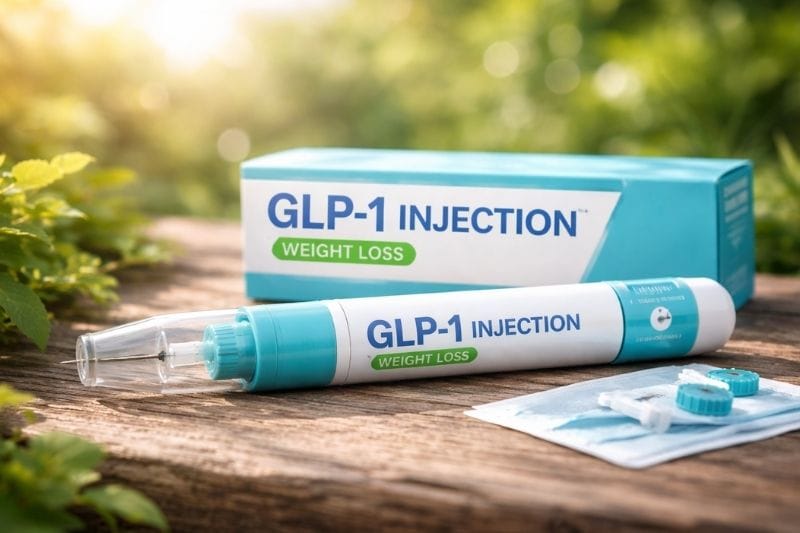
Weight loss injections such as Mounjaro and Wegovy come up a lot when people talk about postpartum weight loss, so it’s worth being clear about where they fit. The MHRA (the UK’s medicines regulator) and the NHS have said these medicines must not be taken during pregnancy, while trying to get pregnant or while breastfeeding. If you’re not breastfeeding and you’re considering them, speak to your GP or a registered prescriber first rather than buying them online.
Note: guidance around the use of these drugs and breastfeeding may differ but, again, speak to your GP or a registered prescriber first.
For most women, the habits in this article are the place to start, and they’re the same habits you’d need to keep the weight off if you did use medication later. If you’re already using weight loss injections, or thinking about it, my article on how I coach clients using weight loss injections and pills explains how I support people alongside their medication.
Speak to your GP if you’re losing or gaining weight without being able to explain why, or if you have other symptoms such as extreme tiredness, feeling unusually anxious or low, a racing heart or feeling very hot or cold. Thyroid problems can develop after pregnancy and can affect your weight, so they’re worth ruling out. You should also speak to your GP, midwife or health visitor if you’re struggling with your mood, as postnatal depression is common and help is available.
Looking for Help Losing Weight After Having a Baby?
I’m a weight loss coach and Level 4 sports nutritionist, and I work with women at all stages after having children, whether that’s a few months or several years later. I won’t give you a rigid diet plan that assumes you have hours to cook and a full night’s sleep. Instead, I’ll help you build simple habits around your life as it is now, with regular check-ins and support to keep you on track when things get busy.
I coach clients online wherever they’re based, and in person at my private studio in Farnborough, Hampshire.
Find out more about my online weight loss coaching.