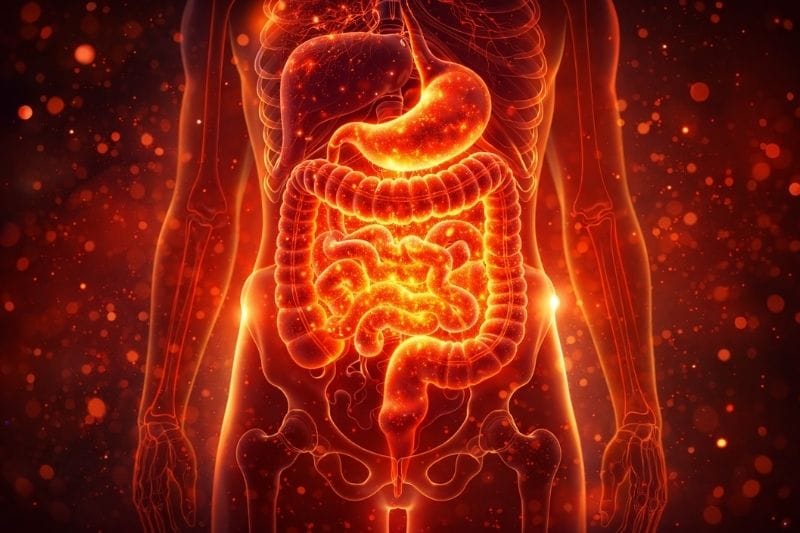
Most people think of digestion as something that simply “happens” after you eat. In reality the digestive system is a complex but clever network that turns food into energy, regulates hunger, affects your weight, shapes your energy levels and even influences how well you perform during exercise. When digestion works smoothly you feel lighter, more comfortable and more in control of your appetite. When it does not, everything from bloating to tiredness can make daily life feel harder.
Understanding how the digestive system works makes it much easier to make sensible choices around food, meal timing and training. You do not need to be scientific to understand the basics. A simple explanation can help you feel more confident in what you eat and why it affects you the way it does.
What the Digestive System Actually Is
The digestive system is the group of organs that break food down, absorb nutrients and remove waste. It is not just about what happens in the stomach. Digestion is a step by step process that starts the moment food enters your mouth and continues until it leaves the body.
Digestion also links closely to appetite, fullness, cravings, hydration and energy levels. It even overlaps with your gut health, although the two are not exactly the same thing. Gut health relates more to the bacteria living in your digestive tract, while digestion is the mechanical and chemical process of breaking food down.
The Main Organs Involved in Digestion
Your digestive system includes several organs that each play a different role:
Mouth
Chewing breaks food into smaller pieces and mixes it with saliva to start digestion.
Oesophagus
This pipe carries food to the stomach.
Stomach
Acid and enzymes break food down further. Meals that are higher in protein and fat stay in the stomach longer, which is why they keep you fuller.
Small intestine
Nutrients like carbohydrates, protein, fats, vitamins and minerals are absorbed here.
Large intestine
Fibre is fermented here and water is absorbed. This helps with regular bowel movements and supports gut bacteria.
Liver
Produces bile which helps break down fats.
Gallbladder
Stores bile until it is needed during digestion.
Pancreas
Produces digestive enzymes and releases insulin and glucagon, which help manage blood sugar.
Each organ has its own job and they all work together to help you digest food efficiently.
How Digestion Works From Start to Finish
Digestion is not fast. It can take anywhere from a few hours to more than a day depending on what you eat.
A typical journey looks like this:
- You chew food and mix it with saliva
- The stomach churns it and breaks it down with acid
- The small intestine absorbs nutrients into the bloodstream
- The large intestine absorbs water and ferments fibre
- The body removes what it does not need
Protein and fibre slow digestion, which can make you feel more satisfied. Simple sugars and refined carbs digest more quickly, which can make you hungry again sooner.
Understanding this makes appetite control much easier.
Digestion, Hunger and Weight Loss: What Actually Matters
Digestion has a big influence on how hungry you feel. When digestion is slower or more balanced, you get longer stretches of comfortable fullness. This supports weight loss because it becomes easier to stay within a calorie deficit without feeling constantly hungry.
Here are a few important links between digestion and weight:
Protein slows digestion
This is why a protein rich meal keeps you full and reduces cravings.
Fibre supports fullness
Fibre in wholegrains, vegetables, beans and fruit slow digestion and help manage appetite.
Meal speed affects hunger
Eating too quickly can confuse hunger and fullness signals.
Blood sugar swings affect cravings
Fast digesting foods can lead to dips in energy which people often mistake for hunger.
Digestion speed is not metabolism
People often assume slow digestion means a slow metabolism. They are not the same thing. Your metabolism is how many calories you burn. Digestion simply affects how full you feel and how steady your energy is.
Digestion is not a magic key to weight loss, but understanding it makes weight loss far easier to manage.
Digestion and Common Symptoms: Bloating, Reflux, IBS and Intolerances
Digestive symptoms are extremely common and they do not always mean something is wrong. Many of them relate to everyday things like stress, eating too quickly, high fibre meals, low fibre meals or irregular routines.
Bloating
Mild bloating after meals is normal, especially after high fibre foods. Bloating can feel worse when stressed, dehydrated or when you eat too fast.
Reflux
Reflux is often linked to large meals, lying down soon after eating, alcohol or certain trigger foods. It does not automatically mean there is a serious issue.
IBS
IBS affects a lot of people and symptoms can vary. Triggers may relate to stress, caffeine, alcohol or a busy schedule.
Food intolerances
Some people react to certain foods, but intolerance is not the same as allergy. Often people misinterpret normal digestive responses as intolerances when it is actually related to eating patterns or processing certain fibres.
Digestion for Runners, Gym-Goers and Cyclists

Digestion works differently during exercise because blood flow moves away from the stomach and towards the muscles. This is why eating the wrong foods too close to training can cause discomfort.
A few useful points:
- High fibre meals before training can cause issues
- Heavy meals slow digestion and can lead to reflux during activity
- Simple carbohydrates digest quickly and provide fast energy
- Gels and sports drinks are used because they empty from the stomach faster
- Eating too soon after a hard run or ride can feel uncomfortable
You do not need a sports science degree to manage this. Simple timing and food choices make a big difference.
Digestion and Weight Loss Injections: What Changes in the Gut
Just as digestion behaves differently during exercise, it can also change when someone uses weight loss jabs that act on GLP-1. These medications do not change what digestion is, but they do change how quickly and strongly it responds.
One of the main digestive effects is slower stomach emptying. Food remains in the stomach for longer before moving into the small intestine. This increases fullness after meals and reduces the desire to eat again soon, which is a key reason these medications support weight loss.
Because digestion is slower, portion size and meal composition matter more. Larger meals, high fat foods or eating too quickly can lead to nausea, reflux or discomfort. Many people naturally move towards smaller meals without actively trying to restrict intake.
Changes in digestion can also affect bowel habits. Constipation is common if overall food intake drops and fibre or fluid intake is not maintained. Reflux can feel worse if meals are eaten late, as food stays in the stomach for longer than usual.
Some people also notice changes in energy early on. This is usually linked to a rapid drop in calorie intake rather than a problem with digestion itself. As eating patterns settle, energy levels often improve.
Understanding these digestive changes helps people work with the medication rather than fight it. Slower eating, smaller meals, adequate protein, enough fluids and a sensible fibre intake tend to make the biggest difference to comfort and consistency.
If you want a deeper explanation of how GLP-1 medications affect appetite and fullness signalling, this is covered in more detail in my dedicated guide.
Simple Ways to Support Better Digestion
There are plenty of small, practical habits that can support digestion without being restrictive.
A few ideas include:
- Eat slowly and chew your food well
- Include protein in each meal
- Aim for a range of fibres (fruit, veg, wholegrains, beans)
- Stay hydrated across the day
- Avoid large meals right before training
- Build regular mealtimes rather than long gaps
- Manage stress and sleep, as both affect digestion
- Add fibre gradually if you want to increase it
These habits not only support digestion but can also help with hunger, weight loss and energy levels.
How Coaching Can Support You With Nutrition and Healthy Digestion
Healthy digestion is not about strict rules or cutting out foods. It is about understanding what helps your body feel comfortable, energised and well fuelled for your goals. Coaching can help you find the eating pattern that works for you, build habits that support fullness and energy, and manage the practical side of digestion without making it complicated.
If you want support with your nutrition, weight, training or daily routine, find out more about my weight loss accountability coaching.
Disclaimer
This blog is for general information only. It is not medical advice. If you have ongoing digestive symptoms or concerns always speak to your GP or another qualified healthcare professional.