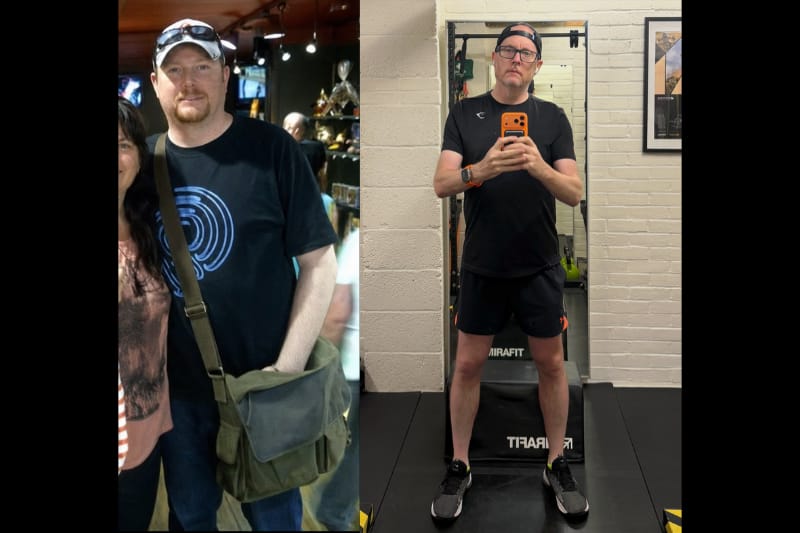
If you’ve decided you want to lose weight, the first thing you’ll probably do is go looking for advice. And that’s where the trouble starts.
One person tells you to cut carbs. Another says carbs are fine but fat is the problem. Someone else is swearing by intermittent fasting while their colleague has just lost two stone on a meal replacement plan. Meanwhile the internet is full of cleanses, detoxes, fat burners and five-day transformations.
No wonder most people don’t know where to begin.
The truth is, weight loss isn’t complicated. It gets complicated because there’s an entire industry built around making you think you need something special. You don’t. You need a small number of basics, done consistently.
That doesn’t mean that weight loss is easy though. Simple and easy are not the same! You maybe trying to undo years of bad habits or past battles and so on, so here are some tips you can use to help you get started.
Start With Calories, Not A Diet
Every successful weight loss approach – whether it’s low carb, Mediterranean, intermittent fasting or anything else – works because it helps you eat fewer calories than your body uses. That’s the mechanism. Everything else is detail.
Rather than picking a diet and hoping it suits you, start by understanding roughly how many calories you need each day and what a modest deficit looks like for you. You don’t need to track obsessively forever, but doing it for a few weeks at the start gives you an honest picture of where you actually are. Most people are genuinely surprised at how much they are eating.
You can use a calorie calculator to get your starting number. A deficit of around 300 to 500 calories per day is a sensible place to begin. Slow and sustainable beats dramatic and short-lived every time.
Sort Your Protein
If there’s one thing that makes the biggest practical difference for most beginners, it’s eating enough protein.
Protein helps you feel fuller for longer, supports muscle retention while you’re in a deficit, and makes the whole process feel less like a constant battle. Most people aren’t eating nearly enough of it.
A reasonable starting protein target is around 1.2 to 2 grams of protein per kilogram of bodyweight per day. Once you start building meals around a solid protein source it becomes second nature fairly quickly.
Move More, But Don’t Rely On Exercise Alone
Exercise is important and I’d encourage everyone to do it. But don’t make the mistake of thinking you can out-train a poor diet. You almost certainly can’t.
Nutrition drives weight loss. Exercise supports it. The two work best together, but if you’re a beginner trying to figure out where to focus your energy first, it’s the kitchen not the gym.
Walking more is one of the best things a beginner can do. It’s low impact, easy to build into a normal day and adds up more than most people realise.
Sleep And Stress Are Not Optional Extras
Most beginners focus entirely on food and exercise and ignore everything else. That’s understandable, but both sleep and stress have a genuine impact on weight loss that’s easy to underestimate.
Poor sleep affects the hormones that regulate hunger and makes it harder to stick to the habits you’ve been working on. Chronic stress can drive cravings, increase water retention and make the whole process feel harder than it needs to be.
You don’t need to overhaul your entire life overnight. But if your sleep is consistently poor or your stress levels are high, it’s worth paying attention to both alongside your nutrition.
Pick One Thing And Start Today
The biggest mistake beginners make isn’t choosing the wrong diet. It’s waiting for the perfect moment to start, or trying to change everything at once and burning out within a fortnight.
You don’t need a complete plan before you begin. You need one small action today. That might be downloading a calorie tracking app, swapping your usual lunch for something with more protein, or committing to a twenty minute walk every evening this week.
The people who succeed at weight loss long term aren’t the ones who had the best plan on day one. They’re the ones who kept going when it got boring, when the scales stopped moving, and when life got in the way.
Start simple. Stay consistent. Adjust as you go.
If you’d like support doing that with someone in your corner, take a look at my weight loss coaching services.